The choice is ours. The consequences belong to everyone
An election asks us to exercise independent judgment, knowing the power we grant will shape lives far beyond our own.
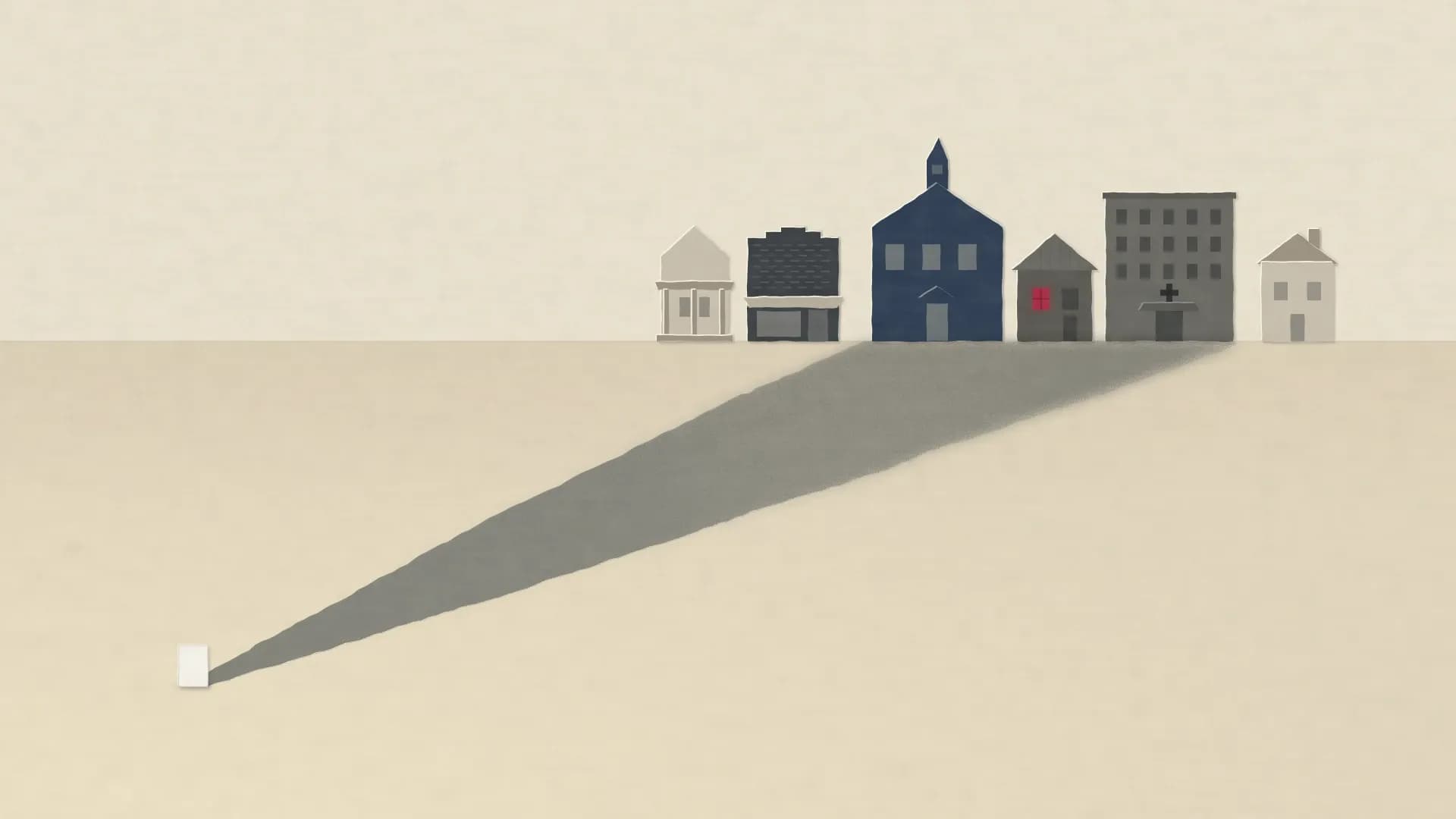
A ballot takes only a few minutes to cast. What we set in motion can last for years.
On Tuesday, Alabama votes. We make that choice carrying the concerns of our own lives: the bills on the kitchen table, a child’s future, the cost of groceries, the hope that hard work will provide a little security. We also carry family loyalties, familiar beliefs and an understanding of where we belong.
All of it comes with us when we vote.
But the consequences travel farther than we can see from that moment. They reach other households, other communities and people whose circumstances we may never know. They reach children who cannot vote and generations who will inherit decisions made before they have a voice.
Our choice helps place power over those lives into someone else’s hands.
That is the moral weight of an election.
Most people do not spend their days studying politics. They are busy living. They work, raise children, care for aging parents and try to find some peace and enjoyment along the way. No one should have to master every agency, budget or provision of law to deserve a decent government.
Yet government keeps making decisions about our lives whether we follow its work closely or scarcely at all. It helps determine whether a school has what it needs, whether a rural county can keep its hospital open, whether the men in our state prisons are held in safety or in danger, whether a person receives fair treatment in court and whether public money serves a public purpose.
At regular intervals, the people exercising that authority must ask us to let them keep it.
We can retain them. We can replace them. Those entrusted with power must submit to the judgment of the people they govern.
Self-government depends on our willingness to exercise that judgment. Remove the “self,” and what remains is government done to people rather than by them.
Exercising independent judgment is harder than it sounds.
We learn what to trust from people we love. We absorb ideas about right and wrong, about our country and our place in it, before we are old enough to examine them. Family, faith and community can give us strength, purpose and a sense of obligation to others.
Those attachments are precious. They can also make certain questions painful to ask.
In Alabama, where politics is so often bound up with family, church and the place we come from, those questions can feel less like civic duty than disloyalty. That is exactly why they need asking.
A political allegiance may become so closely woven into our sense of belonging that reconsidering it feels like stepping away from the people who helped make us who we are. We may privately question conduct we find ourselves defending in company: at the dinner table, after church, in the family group text where no one wants to be the one who says it. We may excuse in a familiar leader what we would condemn in an opponent.
That possibility should give all of us pause.
An inherited conviction can withstand honest examination. A longstanding loyalty can remain worthy of our trust. But we cannot know that simply from the comfort of familiarity.
Neither does disagreement establish independence. Opposition can become habitual, too. Those who take pride in standing apart have as much reason to examine their judgment as those who find reassurance in the crowd.
That examination belongs to each of us.
It asks whether those seeking power have told the truth, accepted responsibility and treated public office as a duty. It asks us to consider whose needs they have attended to and whose suffering they have found easy to overlook.
It also asks something about us.
What are we willing to excuse to secure the result we want? What conduct are we willing to authorize? Who might bear a cost that will never reach our own doorstep?
These questions require us to look beyond the satisfaction of election night.
Victory can feel like vindication. It can bring relief, excitement or the pleasure of seeing an opponent defeated. Those feelings pass. The authority we grant remains, along with the decisions made under it.
A choice that satisfies us today may establish a practice we will fear tomorrow. An abuse excused because it benefits our side becomes an abuse available to those who follow. A promise that serves our immediate interest may leave someone else with an obligation they cannot bear.
The responsibility we bear as voters gives us no reason to hold one another in contempt. The familiar saying that people get the government they deserve turns an election result into a verdict on everyone required to live with it.
Children have no vote. Many adults oppose those who win. Others place their trust in promises that are broken. Even a voter who makes a serious error does not forfeit a claim to fair treatment, honest leadership or the protection of the law.
An election determines who holds power. It does not determine whose life matters.
The dignity of our neighbors survives the counting of ballots. So do our obligations to them.
We cannot foresee everything. We can ask whether the standards we accept today are standards we would trust with our children’s future.
That requires some humility about what we know and some courage about what we already recognize.
Sometimes we see clearly that something is wrong, yet hesitate because acknowledging it would disturb a comfortable allegiance. Sometimes that moment comes when we read something troubling about a candidate we support and feel the urge to stop reading.
There is still a choice in that moment.
Looking away is one. Its cost often falls on people who had no part in our decision.
We can take what we have recognized seriously. We can permit evidence to change our judgment. We can decide that loyalty to the people who must live under a government outweighs loyalty to those who want to run it.
Doing so need not mean abandoning our family, our community or our home. It may be one way of caring for them.
Before we vote, there is time to consider the authority we are about to grant and the people who will live beneath it. There is time to ask whether our choice serves something that will endure beyond anger, advantage or the pleasure of winning.
We can bring our loyalties with us and still keep our judgment free.