Strong touts $203 million in Rural Health Transformation Program funding
The investment promises upgrades for North Alabama hospitals, even as analysts warn broader federal health cuts could strain rural care.
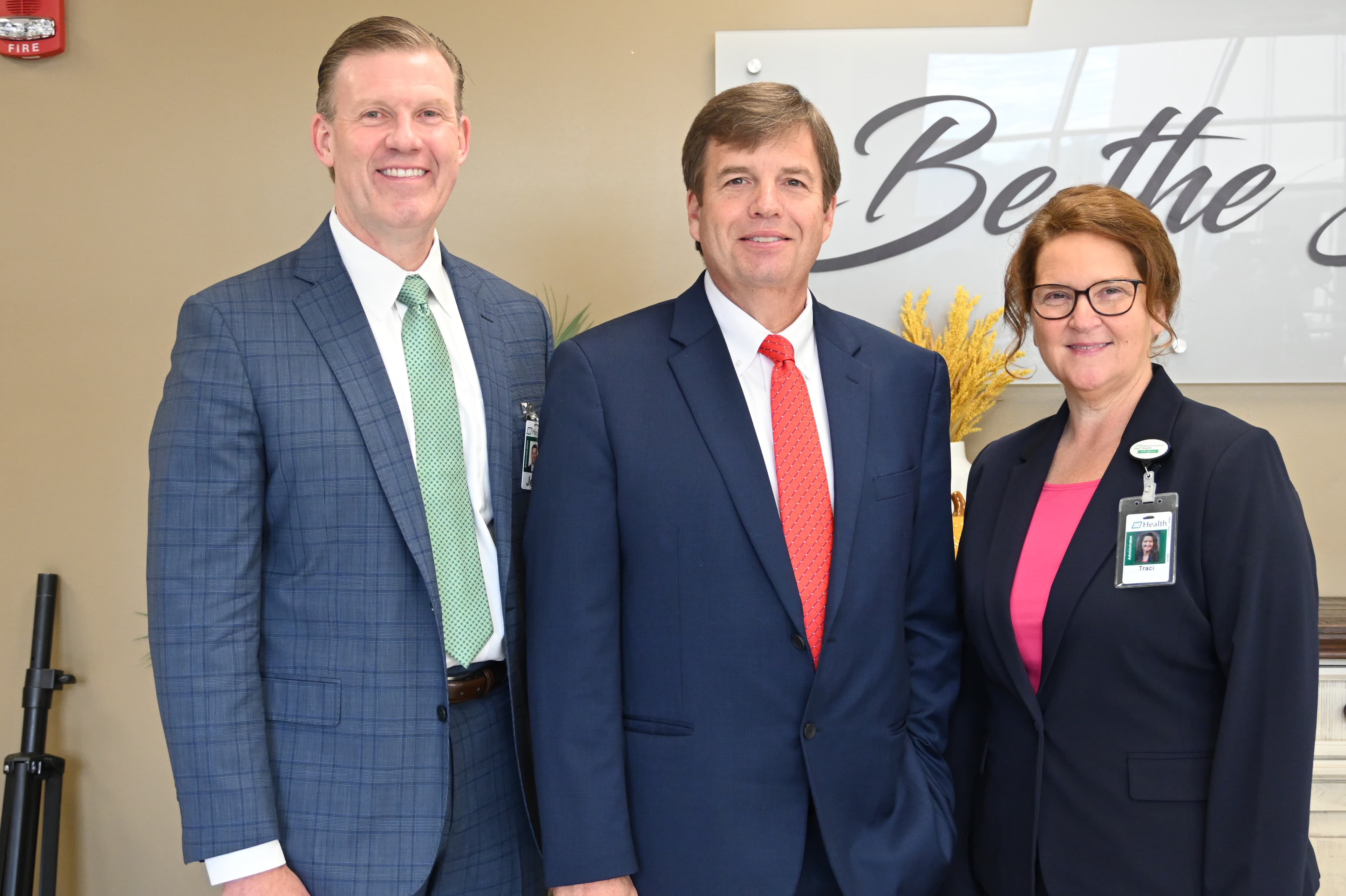
U.S. Representative Dale Strong, R-Alabama, attended a news conference Wednesday at Athens-Limestone Hospital to discuss the Rural Health Transformation Program established under the Working Families Tax Cut Act.
The program will distribute $10 billion annually across all 50 states over five years, with Alabama receiving $203 million in its first year. Strong said the investment aims to strengthen rural health care systems in Alabama and across the country.
“When Republicans passed the Working Families Tax Cuts Act, we included a major, targeted investment in rural healthcare,” Strong said. “Through the Rural Health Transformation Program, we’re investing $50 billion over the next five years to strengthen rural healthcare across the country. This is a long-term commitment to our rural communities and will ensure federal dollars are put to work where they’re needed most.”
“For Alabama, that means $203 million in federal funding awarded this year alone to strengthen rural healthcare across our state,” he said. “Today, we’re seeing firsthand what these investments mean for North Alabama. So far, over $198 million has been awarded for projects across Alabama, and more than $27 million of that is for projects across Alabama’s Fifth District.”
Strong said the funding will help rural hospitals expand access to specialty care, improve emergency medical services and train the next generation of health care professionals.
“Today, we’re standing in a hospital that will see the benefits of these investments firsthand,” Strong said. “Right here at Athens-Limestone Hospital, nearly $900,000 will go toward improving the hospital’s electronic health record system. That means better communication between providers, more efficient coordination of care, and stronger protections for patient information.”
“The Huntsville Hospital Health System is also receiving $2.8 million to expand access to specialty care in rural North Alabama,” he said. “That’s an important investment for families who, today, have to travel outside their communities to see the doctors they need. These are practical improvements that will help our hospitals better serve patients and make quality healthcare available to those who depend on it. And with more funding still to come, we’re going to continue building on these investments to strengthen rural healthcare across our state.”
Strong thanked Alabama Governor Kay Ivey for helping secure the funding and recognized the state’s health care professionals “who show up every day and night to care for our families.”
“We have the best and brightest healthcare providers here in North Alabama, and they deserve the tools and resources to do their jobs,” Strong said. “I’m glad we were able to help make this funding possible, and I’ll continue working to make sure our rural communities aren’t overlooked when it comes to healthcare.”
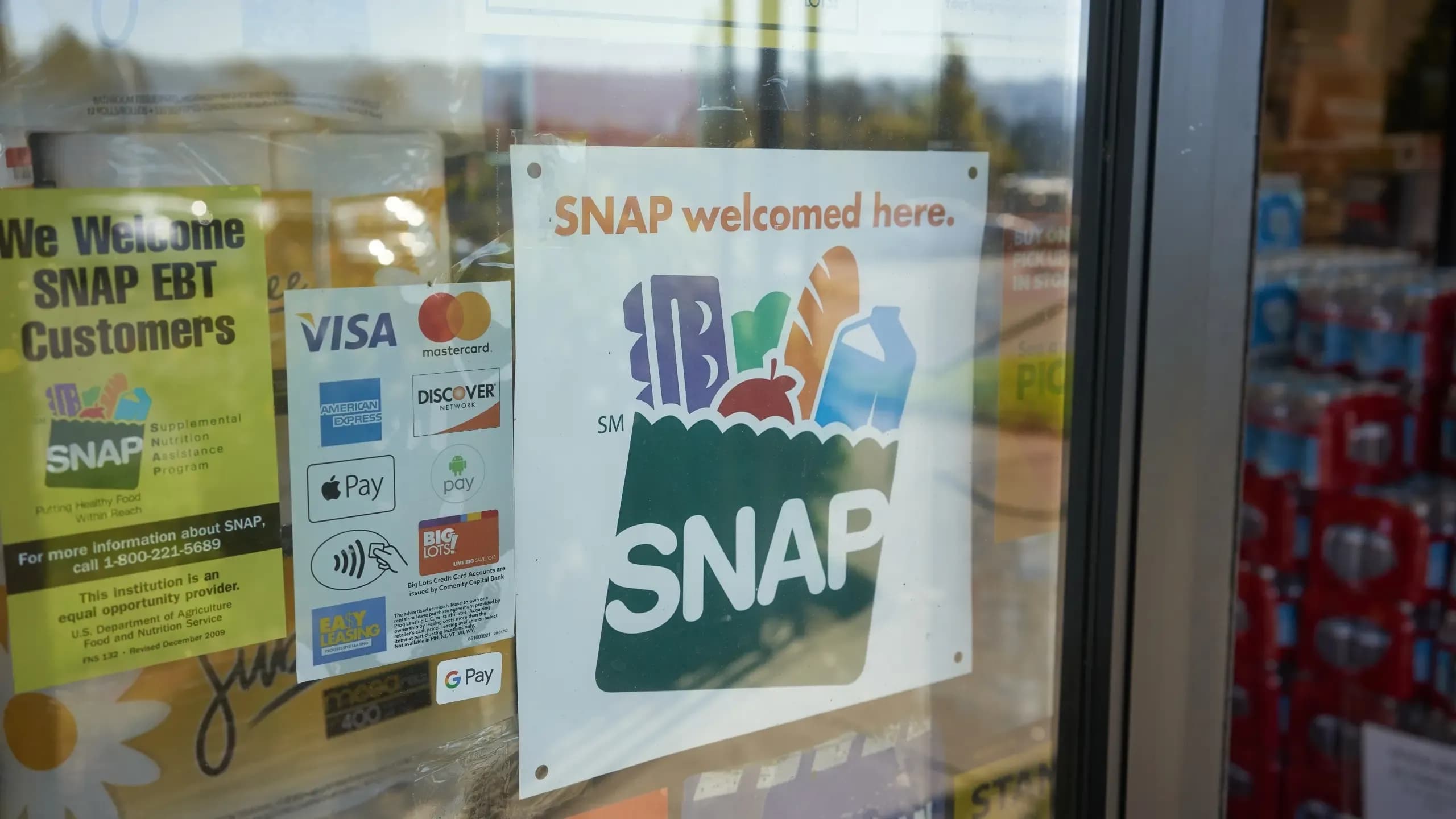
While the program represents a significant investment in rural health care, experts have said its funding falls far short of the more than $1.3 trillion in cuts to Medicaid, the Affordable Care Act marketplaces and the Supplemental Nutrition Assistance Program under Republicans’ One Big Beautiful Bill Act.
According to a June 2026 study by the Commonwealth Fund, “The $50 billion funding increase through the Rural Health Transformation Program will not offset the much larger losses in health insurance coverage, decreased access to care, and increased hunger caused by H.R. 1 cuts.”
The cuts are expected to cause 1.65 million job losses by 2029, with nearly half in the health care sector. The Congressional Budget Office also estimates that Americans in the bottom 10 percent of the income distribution will lose about $1,200 annually because of the law’s cuts, amounting to more than 3 percent of their incomes.
Sharp reductions in federal Medicaid funding will also require states such as Alabama to shoulder more of the cost of maintaining the program, which helps keep rural hospitals afloat. If Alabama cannot cover the funding gap, more rural hospitals could close, and patients in some of the state’s most vulnerable regions could lose access to care.