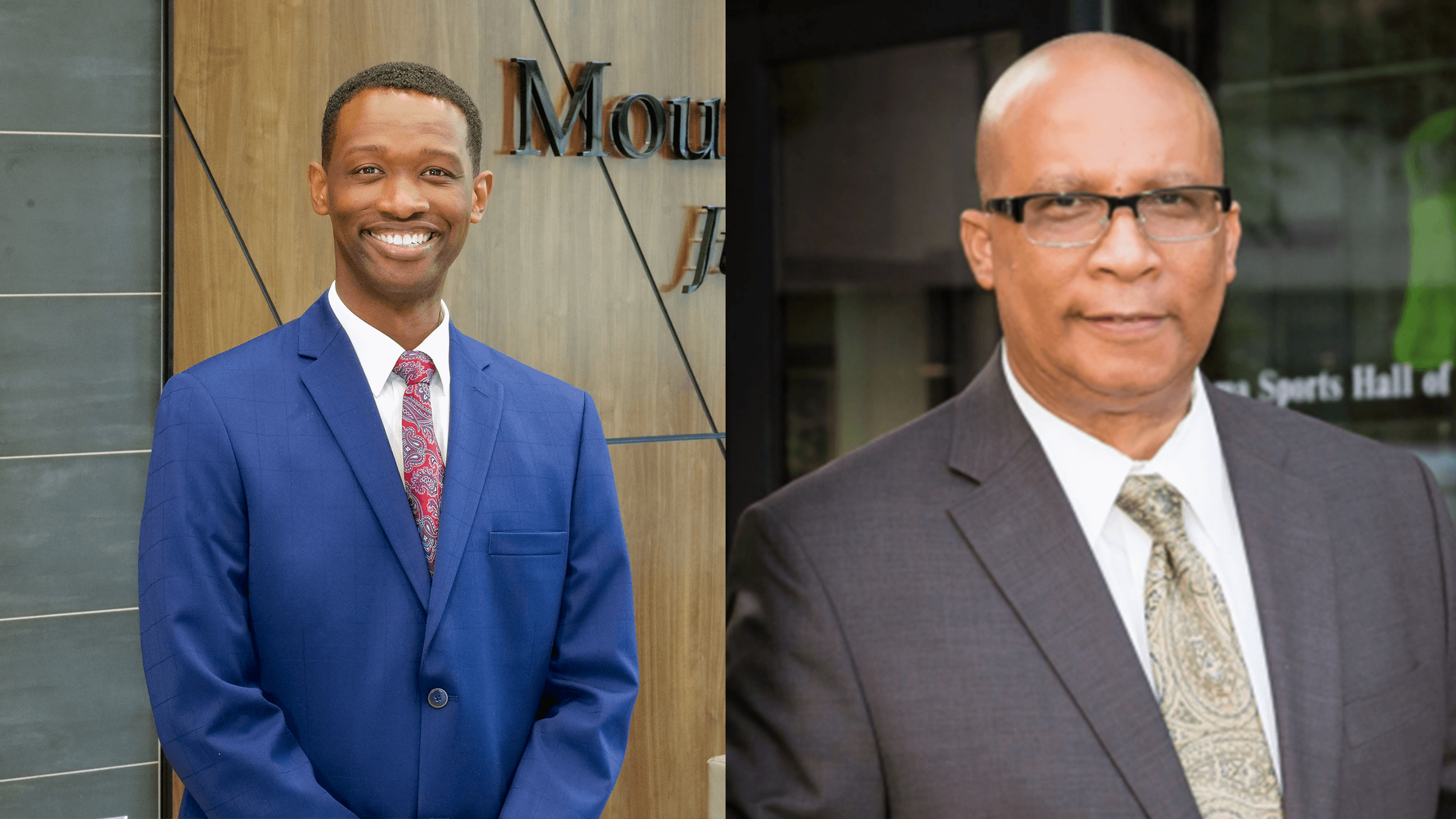
Wess highlights Alabama's rural healthcare crisis, criticizes Moore's voting record
The Democratic Senate nominee said Medicaid changes and limited oversight could leave rural hospitals underfunded despite a new federal program.

In a recent blog post, Democratic U.S. Senate nominee Everett Wess accused his Republican opponent, U.S. Representative Barry Moore, R-Alabama, of failing to address Alabama's ongoing rural health care challenges during his time in Congress, criticizing Moore's support for the One Big Beautiful Bill Act and its changes to Medicaid.
"Rural Alabama is facing a healthcare crisis. Hospitals are struggling, healthcare workers are in short supply, and communities like Thomasville have already watched their hospital close," Wess wrote in the blog post, which was shared Tuesday on his campaign website. "At the same time, Barry Moore voted for the Republican budget legislation that included major Medicaid cuts, cuts that healthcare experts warn will put additional financial pressure on rural hospitals and patients. Alabama legislatures have not accepted Medicaid expansion."
Wess also criticized the five-year Rural Health Transformation Program, or RHTP, which Congress included in the One Big Beautiful Bill Act. The program provides $50 billion nationwide over five years for states to invest in rural health care. Wess argued the program will not adequately offset the effects of the law's Medicaid changes.
"Now Washington and our legislatures want Alabama to believe that a new five-year Rural Health Transformation Program (RHTP) will solve the problem," Wess said. "Barry Moore stated that rural hospitals in Alabama would receive a little more than $9 million from the so called Big Beautiful Bill. This is not true."
"Alabama is expected to receive approximately $203 million in the first year of the program. The money will support initiatives involving telehealth, electronic health records, EMS, maternal care, cancer treatment, mental health and workforce development," he continued. "Some of these investments are worthwhile. But let's be honest: An electronic health record cannot replace a hospital. Telehealth cannot replace a doctor. A grant cannot replace a nurse. A consultant cannot perform surgery."
Alabama received about $203.4 million for the first year of the program, which the state is using for initiatives involving rural health, workforce development, maternal and fetal health, mental health, emergency medical services, cancer treatment and health care technology, among other areas.
Wess also echoed concerns about transparency in the RHTP. KFF Health News has reported that limitations in federal transparency requirements could make it more difficult to guard against fraud, identify successful projects and evaluate the program's results.
"I support bringing federal resources to rural Alabama. But Alabama taxpayers deserve to know where every dollar goes," Wess said. "How much will reach hospitals and clinics? How much will go to consultants and contractors? How many doctors and nurses will actually be recruited? How many hospitals will remain open? And when the five-year program ends, will rural Alabama have stronger healthcare—or simply another collection of programs and technology platforms?
"We cannot allow rural healthcare dollars to become a Washington-to-consultant pipeline while patients continue driving hours for basic medical care."
Wess said that if elected to the U.S. Senate, he would seek to strengthen rural hospitals and emergency departments; recruit and retain health care professionals; expand emergency medical services and transportation; improve maternal and mental health care; lower prescription drug costs; make health care more affordable; require transparency for federal rural health funding; and measure the program's success by patients served rather than grants awarded.
"Barry Moore can defend his Washington voting record. I will defend rural Alabama," Wess said. "Rural Alabamians don't need another politician telling them that everything is getting better while hospitals struggle to keep their doors open. They need someone who will fight to make sure those doors stay open.
"Rural Alabama deserves healthcare, not excuses."
Moore's campaign did not immediately respond to APR's request for comment on Wess' criticisms.
Wess, Moore and independent candidate Craig Jelks will face each other in the November 3 general election for Alabama's U.S. Senate seat.