Poll: The 2027 Montgomery mayor's race could be a tight one
A new poll shows an unexpectedly tight race for mayor in Alabama's capital city.

The 2027 municipal election for Montgomery mayor might be a dogfight.
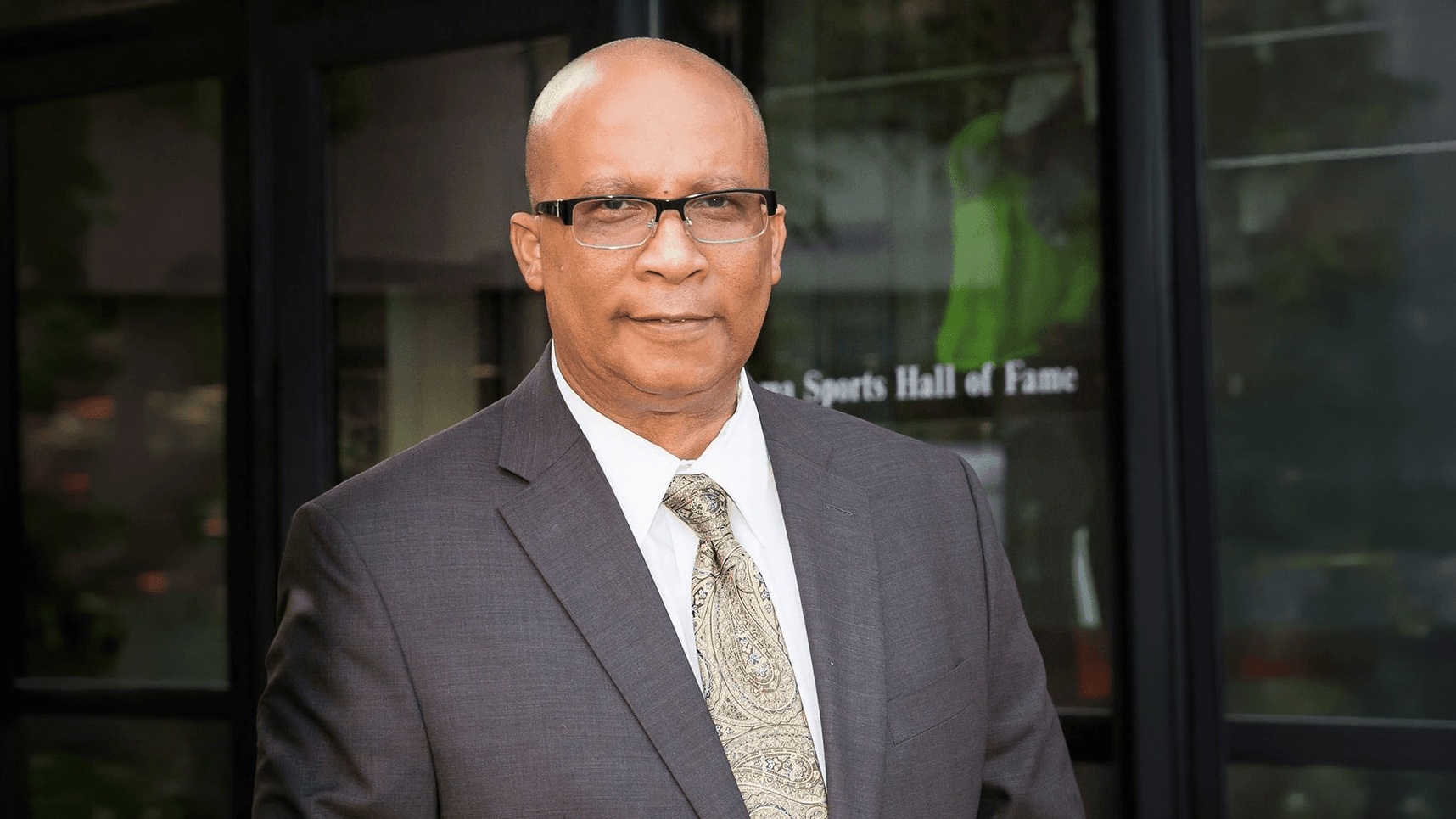
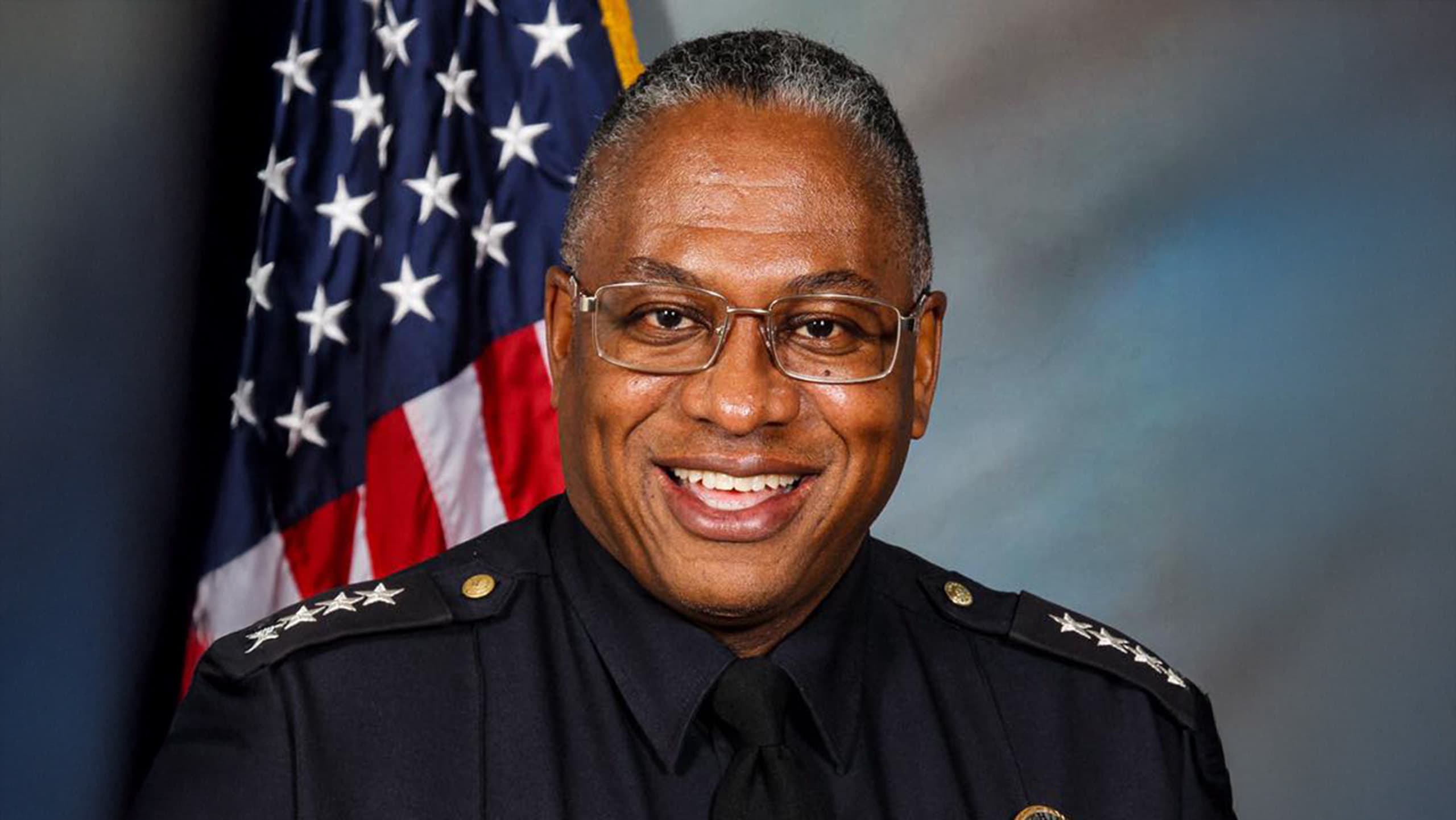
A new poll conducted last month—a year out from the August 2027 municipal election—shows that current Mayor Steven Reed would still be the favorite in the race, but Montgomery County Probate Judge J.C. Love is dangerously close and has remarkably high numbers.
The poll, which was shared anonymously with APR, was conducted by the Cygnal firm and surveyed 400 likely Montgomery voters between August 17 and 18. It has a margin of error of 4.88 percent.
Reed was the overall top choice of respondents, with 34.6 percent saying they either definitely or probably preferred Reed in a five-candidate field also including Love; Anthony Brock, who operates Valiant Cross Academy; City Councilman Andrew Szymanski; and former mayoral candidate Barrett Gilbreath, who lost to Reed in 2023. Love was the only other candidate to score in double figures, coming in just 8 points behind Reed, with 26.1 percent. Nearly 20 percent of respondents were undecided.
The most striking result, though, was that in a head-to-head race, voters picked Love by more than 9 points, 46.6 percent to 37.5 percent, over Reed. Love’s net favorability among the 400 respondents was also significantly higher than Reed’s.
“Polls one year out (from an election) really don’t mean a whole lot,” Reed said. “It’s my understanding that multiple polls were done and if one came and showed one elected official ahead or not—that’s that poll. For me, we’re focused on the people of Montgomery and doing the work of the city. There’ll be a time for campaigning, but right now, we’ve got big issues ahead of us, such as the budget, saving a hospital, (increasing) public safety, reducing crime in our community and getting through a generational investment in our city. So we’ll let the political prognosticators discuss polls 11 months out. We’ll focus on the people of Montgomery and we’ll worry about campaigning when that time comes.”
While it’s true that there is a lot of time until Montgomery residents go to the polls, the results had to be eye-opening for a two-term incumbent who has cruised to easy victories in his previous elections. At the same time, the results could not be wholly unexpected, given the political climate and negative rhetoric that Reed and the city have faced over the past three years.
Republican lawmakers, from U.S. Senator Tommy Tuberville to state legislators, have made attacking Reed and the crime issues in Montgomery—perceived or not—a party platform at this point. They’ve proposed legislation to take over the police force, commented endlessly in the media with hyperbolic rhetoric about crime in the Capital City, and Tuberville has repeatedly threatened drastic action to address that crime if elected governor in November.
It has not been helpful to Reed that a number of high-profile incidents and a persistent murder rate have undercut his messaging about overall crime reduction in Montgomery. At the same time, major reductions in crime in Birmingham—which has been praised nationally for its record decline in murders this year—and a dramatic increase in that city’s police force have been used as fodder against Reed by his critics.
It’s no surprise then that crime, at 44.5 percent, was the top concern among respondents. The next closest was education at 12.6 percent.
A plurality of respondents, 47 percent to 41 percent, also said the city is headed in the wrong direction, and 50 percent said they would vote for someone other than Reed, compared with 43 percent who said they would vote for Reed.
“Montgomery residents approach me every day, and most of them share the exact same concerns—crime remains out of control, they feel unsafe, and areas of the city that were once filled with successful businesses and vibrant neighborhoods are falling into disrepair and being abandoned at an alarming rate,” Love said in response to the poll numbers. “They worry that if Montgomery continues in its current direction, Maxwell and Gunter and the jobs and tax base they provide could soon move elsewhere.”
For his part, Love said he hasn’t made up his mind about running for mayor, but he’s considering it.
“The folks who talk to me are looking for someone to step forward with strong leadership, a bold plan, and the grit and courage to make it happen,” Love said. “I’m listening to what they have to say, I’m considering their concerns, and I’m currently deciding how I can best serve our community going forward and help reverse Montgomery’s decline.”
As always in today’s political world, the answer will likely come down to money. Any challenger to Reed will need significant financial support and the backbone to withstand a campaign against a family that has helped shape state and local Montgomery politics for decades now.
It seems impossible that a challenger other than Love could do the job, given the poll numbers. While still 11 months out, the lack of name recognition and general support for two candidates—Szymanski and Gilbreath—was shocking. More than 47 percent of respondents had never heard of Szymanski—a sitting councilman. More than 50 percent had never heard of Gilbreath, who ran against Reed just three years ago.
No candidates aside from Reed and Love garnered more than 6.7 percent when facing the full field. And in a head-to-head with Reed, none of the other candidates managed to get 30 percent against the mayor.