16th Street Baptist opens new center 63 years after Klan bombing
The church says the center will carry the memory of four murdered girls into a new generation’s pursuit of justice.
Sixty-three years after Ku Klux Klan members bombed 16th Street Baptist Church and murdered four young girls, the historic congregation opened a new center Tuesday intended to ensure that what happened there is neither softened by time nor separated from the unfinished work of justice.
The 16th Street Baptist Church Education and Visitor Center opened on the anniversary of the September 15, 1963, bombing that killed Addie Mae Collins, Denise McNair, Carole Robertson and Cynthia Wesley.
Its purpose extends beyond preserving the history of the attack. Church leaders say the center will ask each generation to confront the hatred that produced the bombing, examine the courage of those who resisted segregation and decide what responsibility that history imposes today.
“September 15 is not simply a date we remember; it is a sacred moment that calls us to remember four precious lives, reflect upon the price of hatred and injustice, and re-engage with the work of building a more just and beloved community,” said the Reverend Arthur Price Jr., pastor of 16th Street Baptist Church.
“The story of 16th Street Baptist Church is not frozen in the past,” Price said. “It is a living story of faith, courage, sacrifice and hope.”
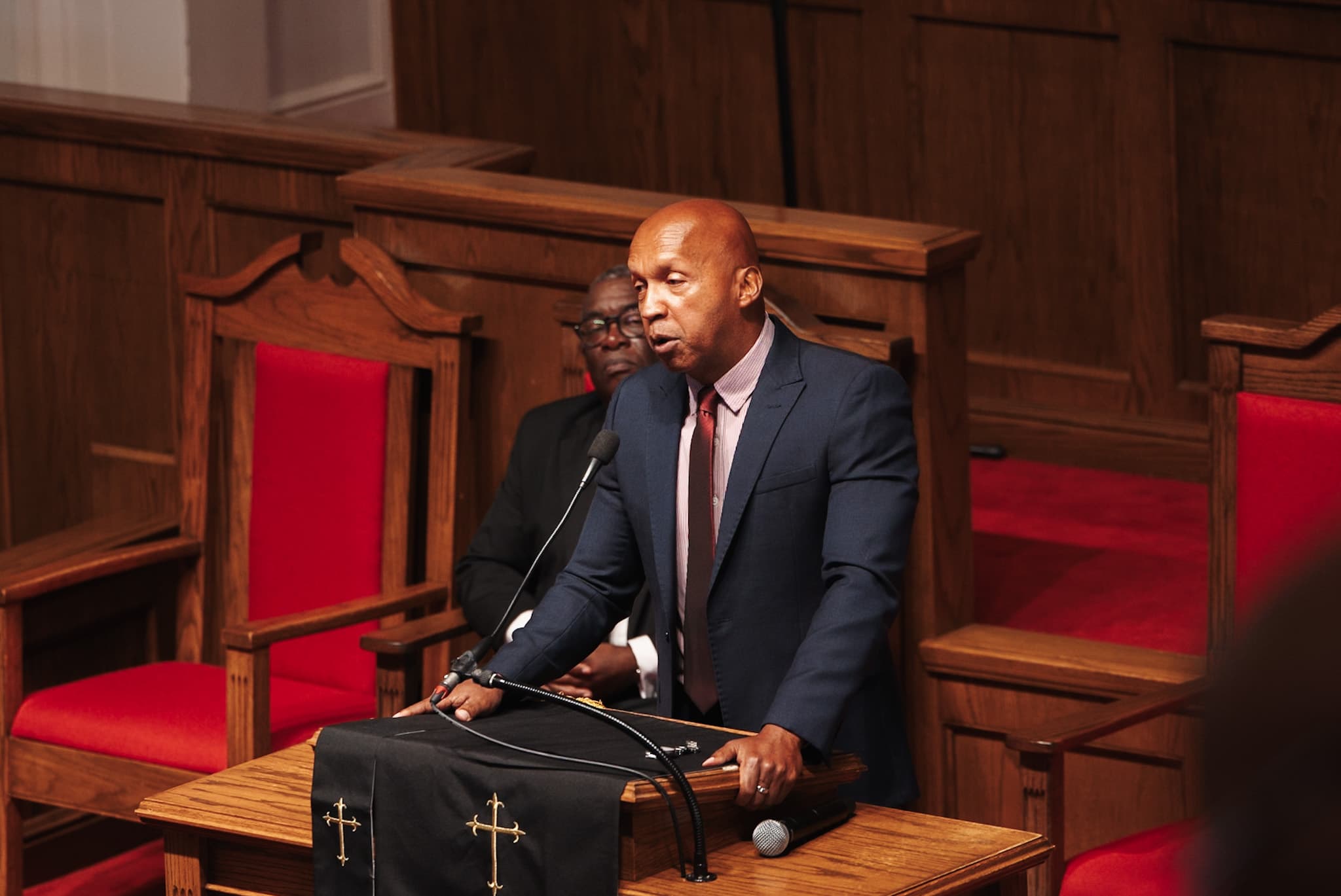
The opening followed the church’s annual memorial service honoring the four girls. Bryan Stevenson, founder of the Montgomery-based Equal Justice Initiative, delivered the memorial address. Church leaders, civil rights advocates and community partners also participated in the commemoration.
16th Street Baptist Church stood at the center of Birmingham’s Black community during the Civil Rights Movement. It served as a meeting place and staging ground for demonstrations against segregation, including the 1963 Children’s Crusade, when young people marched from the church toward downtown Birmingham.
City authorities responded by arresting hundreds of children and using police dogs and high-pressure fire hoses against demonstrators. Images of the violence traveled around the world and exposed the brutality used to maintain segregation.
On the morning of September 15, 1963, Klan members placed dynamite beneath the church’s steps. The explosion tore through the building shortly before Sunday worship, killing the four girls and injuring 17 others.
The attack shocked the nation and added urgency to the Civil Rights Movement, which helped lead to passage of the Civil Rights Act of 1964.
Justice came slowly.
The FBI identified four Klan members as primary suspects but closed its original investigation without obtaining indictments. Robert Chambliss was convicted in 1977 after then-Alabama Attorney General Bill Baxley reopened the case. Thomas Blanton and Bobby Frank Cherry were convicted decades later, in 2001 and 2002, respectively. A fourth suspect, Herman Cash, died without being prosecuted.
The new center stands beside the historic sanctuary where the bombing occurred. Through immersive exhibits, oral histories, artist residencies, community quilting projects, public speakers and educational programs, it will connect the church’s civil rights legacy with contemporary questions of faith, justice and civic responsibility.
“The Education and Visitor Center stands at the intersection of history, reflection and recommitment,” said Dr. Terrence Brown, the center’s executive director.
Brown said the center is also intended to demonstrate the power of faith and the role it played in sustaining those who challenged segregation despite violence, intimidation and official resistance.
Among the center’s signature exhibits is the River Wall, a permanent immersive installation inspired by the stained-glass window given to 16th Street Baptist Church by the people of Wales following the bombing.
The original window, designed by Welsh artist John Petts, depicts a Black Christ with one hand rejecting injustice and the other extended in reconciliation. It became an international expression of grief and solidarity with the church.
Designed to evolve over time, the River Wall invites visitors to reflect on what they have encountered and make personal commitments rooted in faith, justice and reconciliation.
The center will also include Koinonia, a restaurant and gathering space whose name comes from the Greek word for fellowship or shared community. Church leaders envision it as a place where visitors can break bread, begin difficult conversations and form relationships across differences.
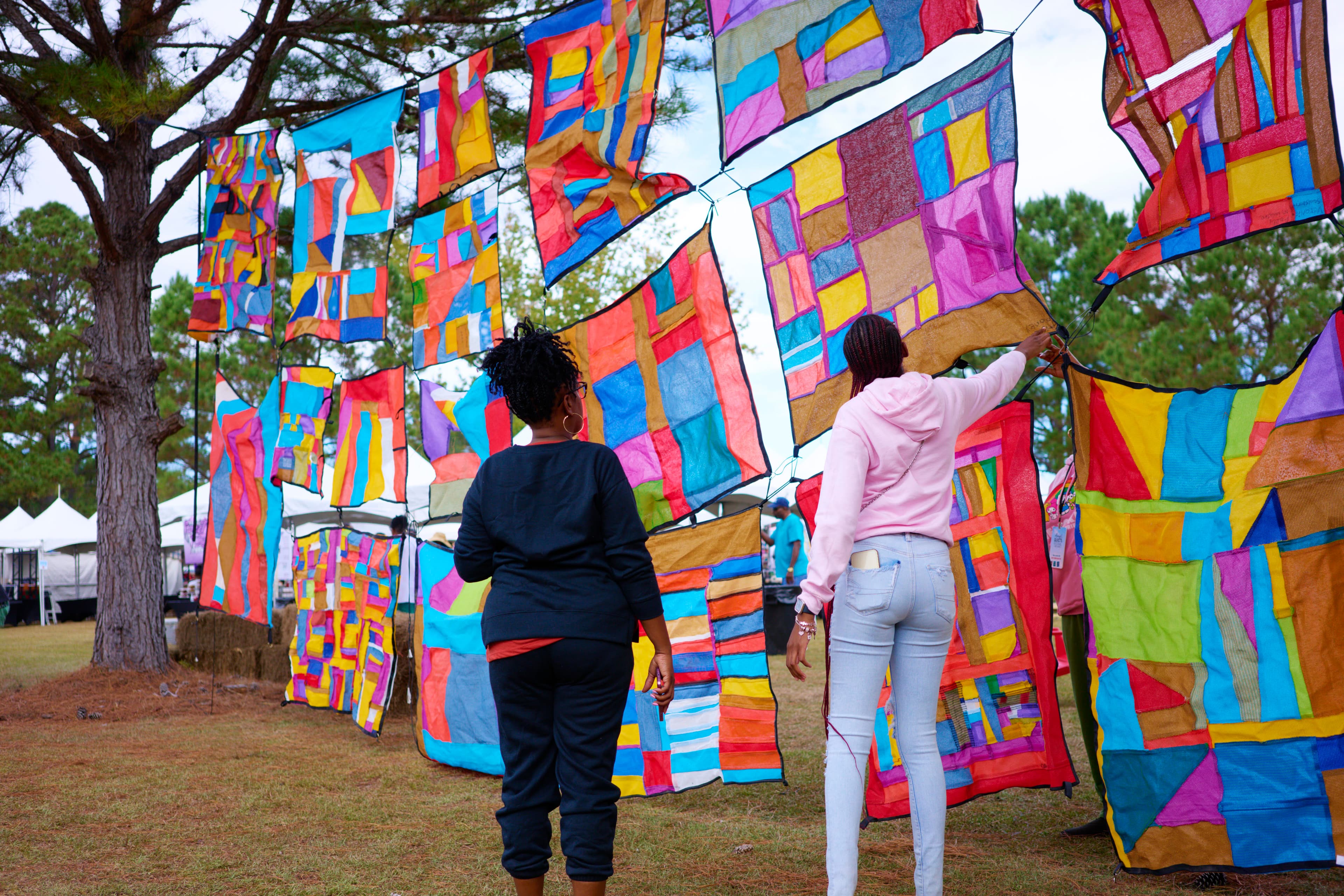
Tuesday’s opening included public tours, choral performances rooted in the church’s civil rights and freedom song traditions, and quilting projects focused on social justice.
The church, founded in 1873, was designated a National Historic Landmark in 2006. It continues to welcome visitors from around the world as both an active congregation and one of the nation’s most consequential civil rights landmarks.
The new center expands that mission by treating remembrance not as a conclusion but as the beginning of a larger moral and civic obligation.
“As we dedicate our Education and Visitor Center, we are creating more than a place to remember what happened here—we are creating a place where people can encounter the truth, wrestle with its meaning and discover their responsibility to the future,” Price said.
“We remember so that we might reflect. We reflect so that we might re-engage. And we re-engage because there is still work for us to do.”
More information about the center and its programs is available at SixteenthStreetEVCenter.com.