Ratepayer Protection Act stalls in US Senate
The Ratepayer Protection Act stalled in the Senate after passing the House, with Alabama’s delegation backing protections against data center costs.

The Ratepayer Protection Act stalled in the U.S. Senate Thursday, just one day after the legislation cleared the House with overwhelming bipartisan support and backing from Alabama’s congressional delegation.
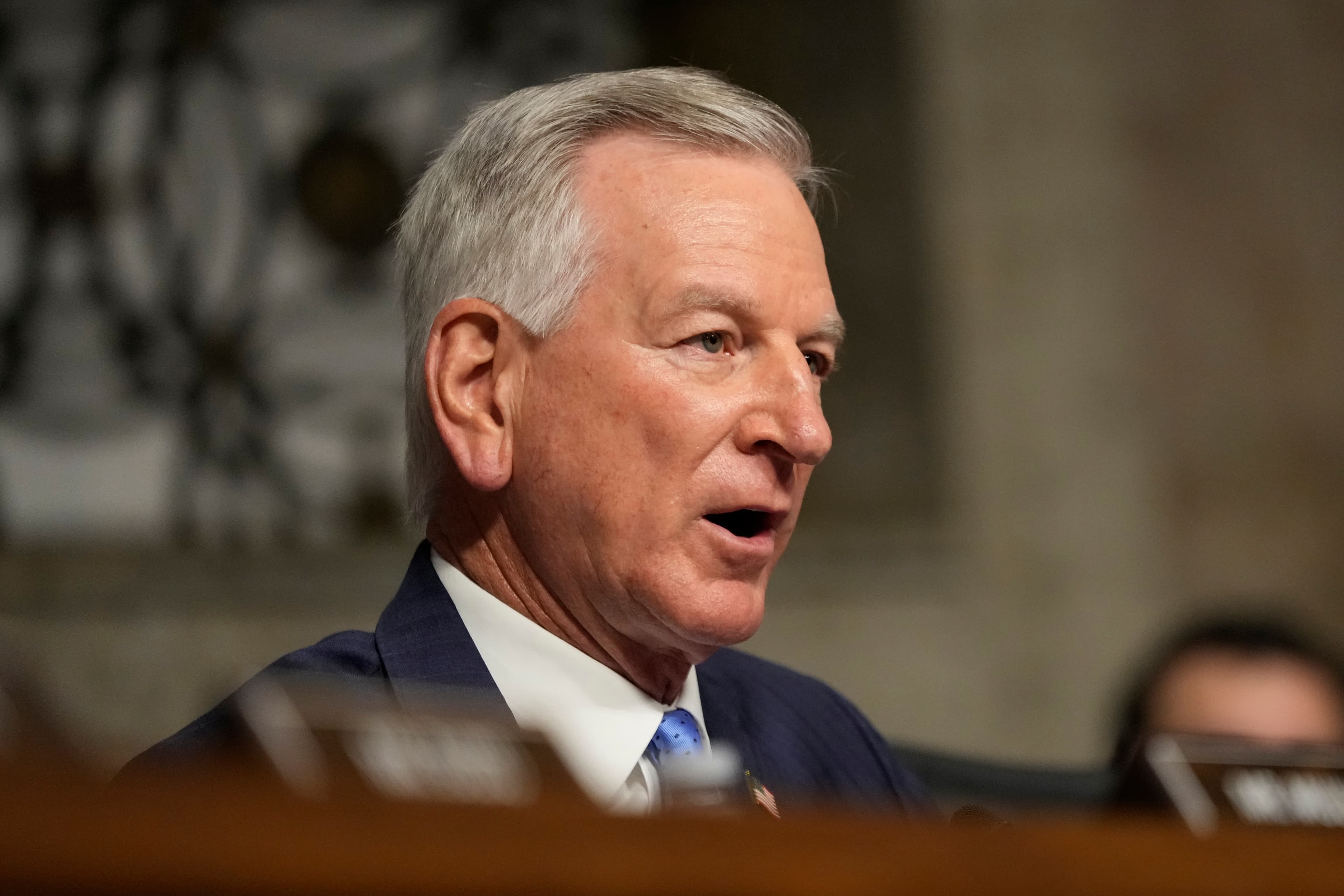
U.S. Senator Tommy Tuberville, R-Alabama, joined Senator Jon Husted, R-Ohio, as a co-sponsor of the legislation Thursday, saying the bill would help ensure Alabama families and small businesses do not bear the cost of electricity infrastructure needed to serve new data centers.
Husted attempted to pass the House-approved Ratepayer Protection Act, House Bill 9340, through unanimous consent Thursday. Senator Martin Heinrich, D-New Mexico, objected, saying the legislation does not go far enough because it asks states to consider requiring data centers to pay for new grid infrastructure rather than requiring them to do so.
The Senate action came a day after the House passed the bill 417-3. The legislation would require state public utility commissions to consider standards for large electricity users, including data centers, that would account for the incremental costs of new power generation and transmission infrastructure needed to serve those facilities.
All nine members of Alabama’s House delegation voted for the legislation.
The bill aimed to address concerns that rapidly expanding data centers, particularly facilities supporting artificial intelligence, could increase electricity demand and lead to higher costs for other utility customers. Under the legislation, states would consider standards for large electricity users that could require them to cover the additional costs associated with connecting to the grid and providing the power needed to operate their facilities.
The House legislation does not require states to adopt those standards. Instead, it directs state regulators to consider them, a point of disagreement in the Senate.
Heinrich said Thursday that the bill falls short because it would not require large data center operators to pay for the infrastructure they require. Instead, he sought to advance separate legislation requiring large industrial electricity users to cover the costs of facilities needed to connect them to the grid. Husted objected to Heinrich’s proposed modification, and the effort to advance the Ratepayer Protection Act then failed to move forward through unanimous consent.
Tuberville said data centers could bring economic benefits to Alabama but acknowledged concerns about their effect on electricity costs.
“Data centers can be game changers for communities all across my state of Alabama,” Tuberville said. “I understand why many Alabamians have concerns about these facilities coming to their neighborhoods and increasing energy costs.”
The action was not a recorded vote rejecting the legislation. Instead, it blocked the bill from advancing through the unanimous-consent process, leaving the measure pending as lawmakers consider how to address the growing electricity demand associated with data centers.
The House Energy and Commerce Committee described the legislation as a way to protect households and small businesses from paying for infrastructure associated with large new electricity users while maintaining state authority over electricity regulation.