House passes Russia, Iran sanctions bill backed by Britt
The bipartisan bill would target Moscow’s war machine, extend penalties on Tehran and give President Trump wider tariff powers.
The U.S. House of Representatives passed legislation Wednesday to impose new sanctions against Russia and extend current sanctions against Iran. The bill, which late U.S. Senator Lindsey Graham advocated for and now bears his name, passed 262-159 and will go to President Trump’s desk, where he is expected to sign it into law.
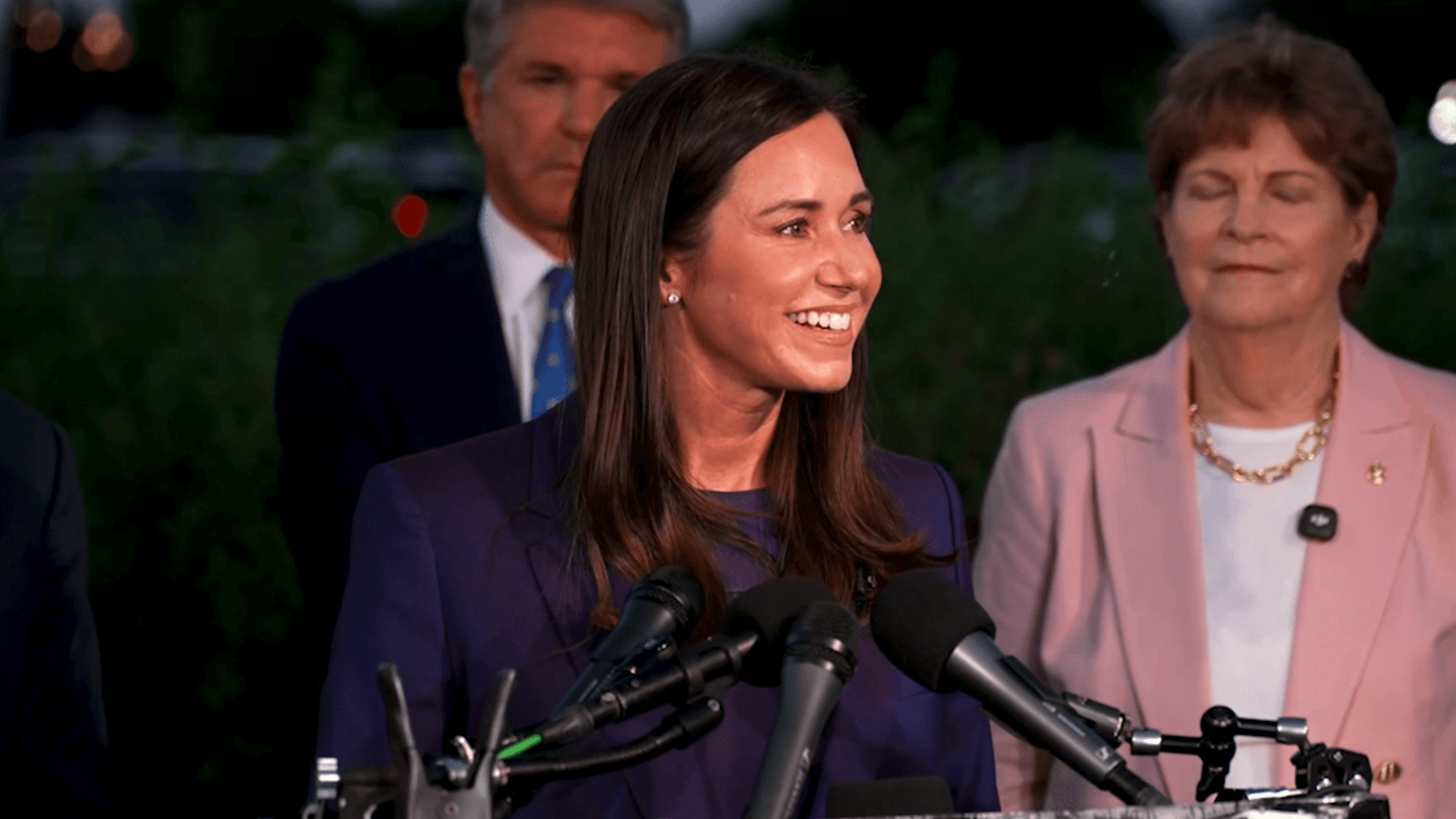
After the bill’s passage, a bipartisan, bicameral group of lawmakers held a press conference to celebrate the sanctions. U.S. Senator Katie Britt, R-Alabama, attended.
“Today, the Lindsey Graham Sanctioning Russia and Iran Act will be sent to the president’s desk. There is nothing more rewarding here in Congress than actually delivering results, than actually doing something that will matter and ... giving President Trump the tools today to end this senseless war, to hold Putin accountable for his aggression, to drive him to the table and to actually make sure that there are consequences,” Britt said. “Today, we stood together—the Senate, the House, the White House. We stood for peace through strength. Congress will give President Trump these tools, and I know President Trump will use them to help bring a resolution between Russia and Ukraine. This critical piece of legislation is also going to hold the regime in Tehran accountable for 47 years of terror.”
“As Lindsey Graham said, this is now the most consequential piece of legislation that he ever worked on, and in his final days here with us, this is what he was committed to. He saw a pathway forward,” Britt added. “The men and women behind you put in tireless effort to make sure that it actually became a reality. So, I am proud to stand with this bicameral, bipartisan group of members standing firm in Lindsey’s effort—standing tall for the United States of America and with our friends who want peace in Ukraine and helping achieve actual results.”
If signed into law, the bill will impose primary and secondary sanctions against Russia, Russian officials and financial institutions, and countries that support Russia’s war in Ukraine. It would also allow the president to impose 100 percent tariffs on major purchasers of Russian oil and gas, including countries such as China and India.
Additionally, the legislation would extend current sanctions against Iran’s weapons and energy sectors for five years as the U.S. continues its war in the Middle East.
After Graham’s sudden death in July, Britt joined a bipartisan group of lawmakers who renewed efforts to pass the sweeping sanctions and tariff legislation that Graham had strongly advocated for. The Senate passed its version of the bill in early August by a vote of 86-11 before sending it to the House.
While the legislation received significant bipartisan support in both chambers, Democratic leaders have criticized the legislation for expanding Trump’s tariff authority.