State cancer advocates push Congress for research funding, clinical trial reform
Beginning Monday, American Cancer Society volunteers met with Alabama lawmakers, to seek expanded clinical trial access and support for NIH research.
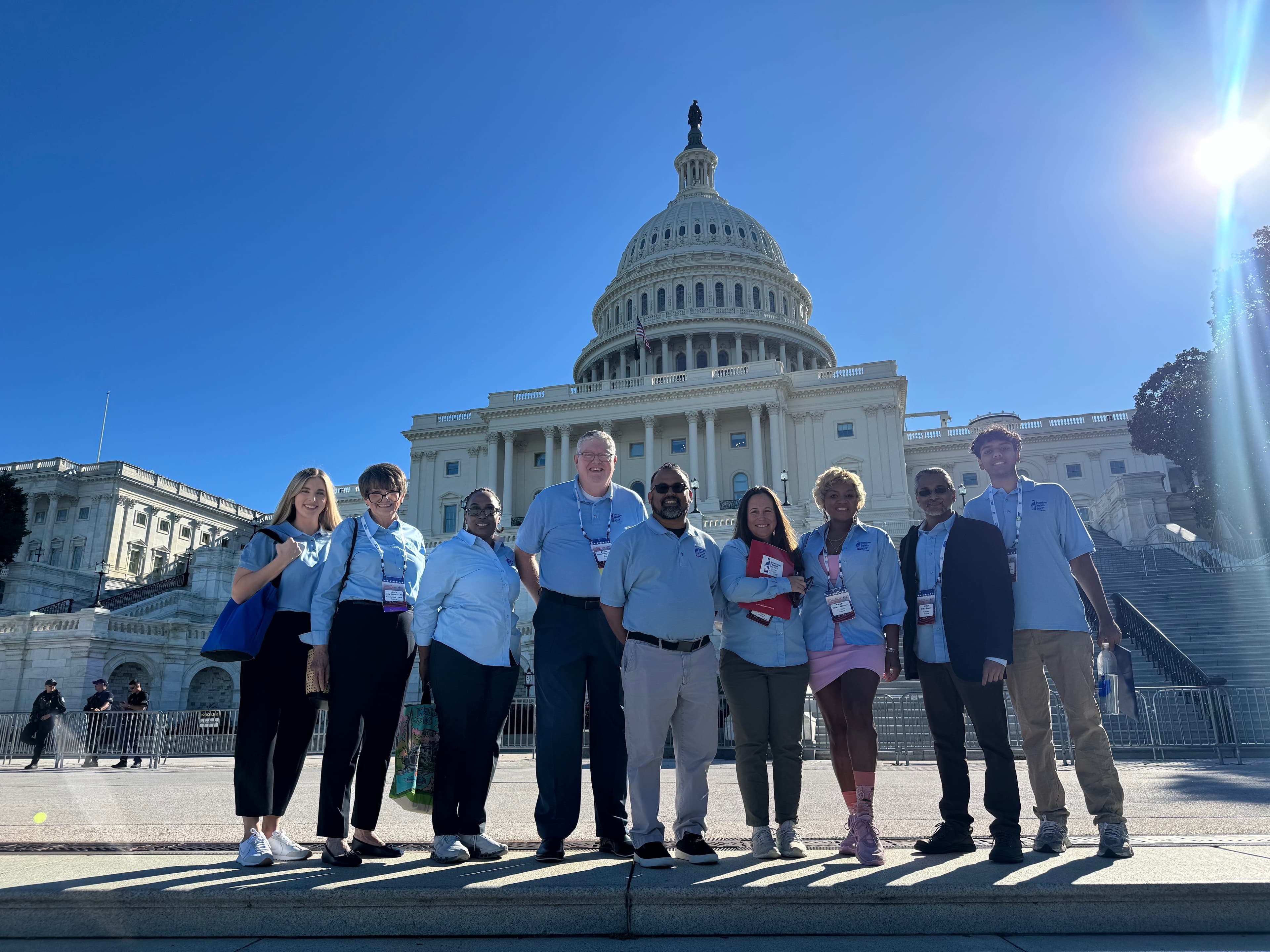
The American Cancer Society Cancer Action Network took part in its annual Leadership Summit and Lobby Day this week in Washington, D.C., where advocates from Alabama met with federal lawmakers regarding cancer research funding and policy.
During the three-day lobbying event, which began Monday, advocates from all 50 states, including seven ACS CAN volunteers representing each Alabama congressional district, met with lawmakers and urged them to support continued investments in the National Institutes of Health and its National Cancer Institute.
Zeke Aguilera of Madison, ACS CAN’s state lead volunteer for Alabama for the trip, told APR ahead of the Leadership Summit and Lobby Day that advocates sought to highlight the human impacts of cancer research while pushing for funding and policies to improve access to care.
“There’s an estimated 18 million cancer survivors currently in the United States,” Aguilera said.
“Those numbers matter. But how we get our point across is telling our stories, telling our realities,” he added. “The numbers are important because they have to vote on it, and that's part of the bills that we're asking for. But the stories, those are real people. Those are real lives that matter.”
Aguilera, an employee of the University of Alabama at Huntsville, began working with ACS CAN nine years ago following the loss of his older sister, Yvette, to cervical cancer in 2010.
“It took me a long, long while to get to this point where I'm at right now,” Aguilera said of his advocacy. “It was almost seven years after she passed that I just felt like, you know, in our family, we weren't talking about her. We weren't, you know, lifting her up. And I just had a feeling that I needed to do something to honor her memory.”
“She was a nurse by trade. She was a natural-born caregiver,” he added. “And I just felt like I needed to share that with people—to share her story.”
Aguilera described the lobbying event as an attempt to use personal testimonies to push lawmakers to prioritize policies that advance cancer research and access to cures for patients.
“We elected them, and if we put our voices together, and make this a priority, and we want them to make it a priority, then they either do it or, you know, they don't have a job anymore,” he said. “So that's, that's kind of point blank at it.”
“One of the really interesting and beautiful things about this organization is that, one, it's nonpartisan. So, no matter what party you root for, we've got people from all backgrounds, all walks of life,” Aguilera added. “We've got all kinds of people that are volunteering, and we have one goal—to make sure that cancer patients have what they need, and that anyone that's going to be diagnosed with cancer has resources, has access to affordable, you know, medical care and has access to preventative programs.”
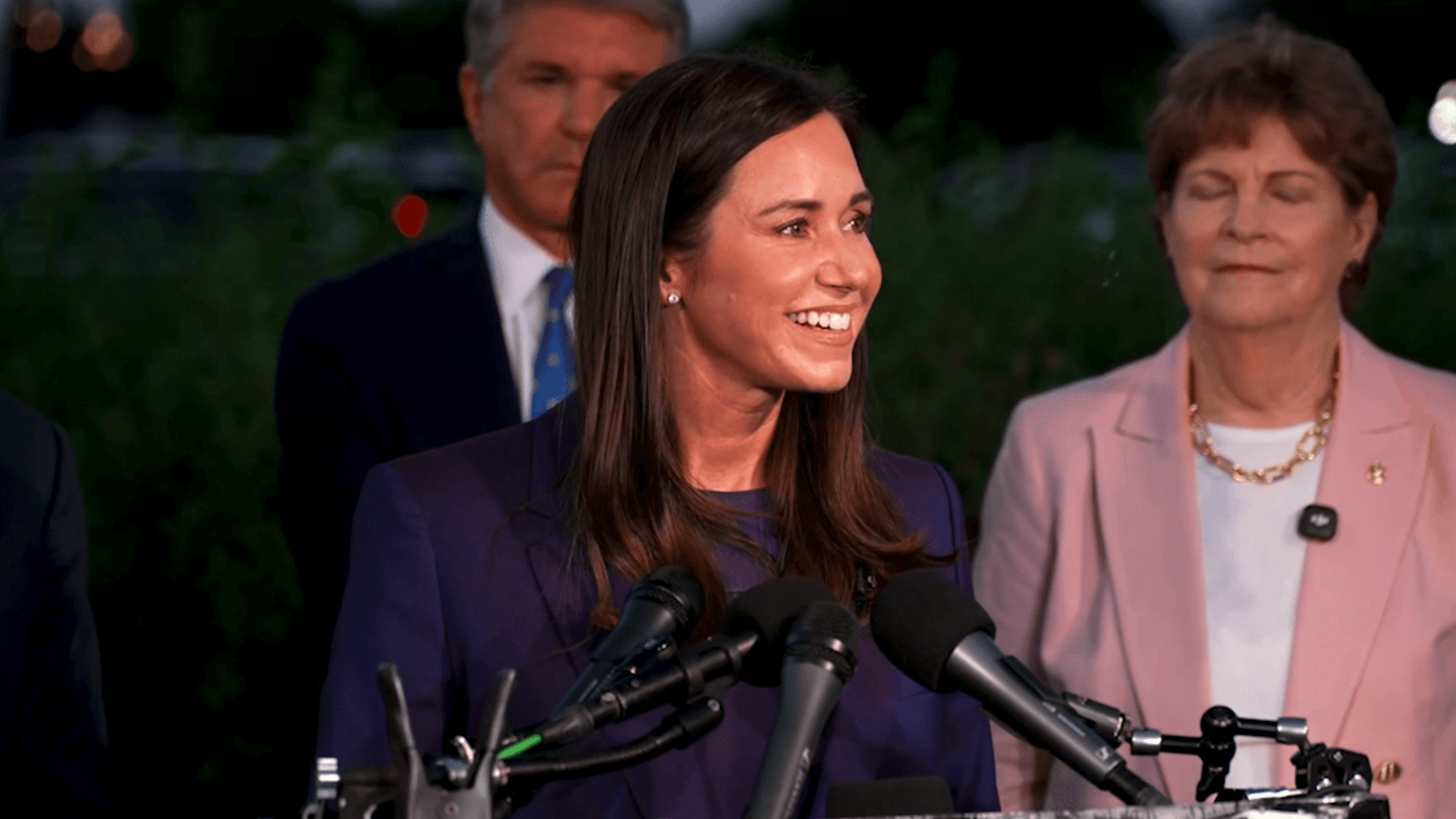
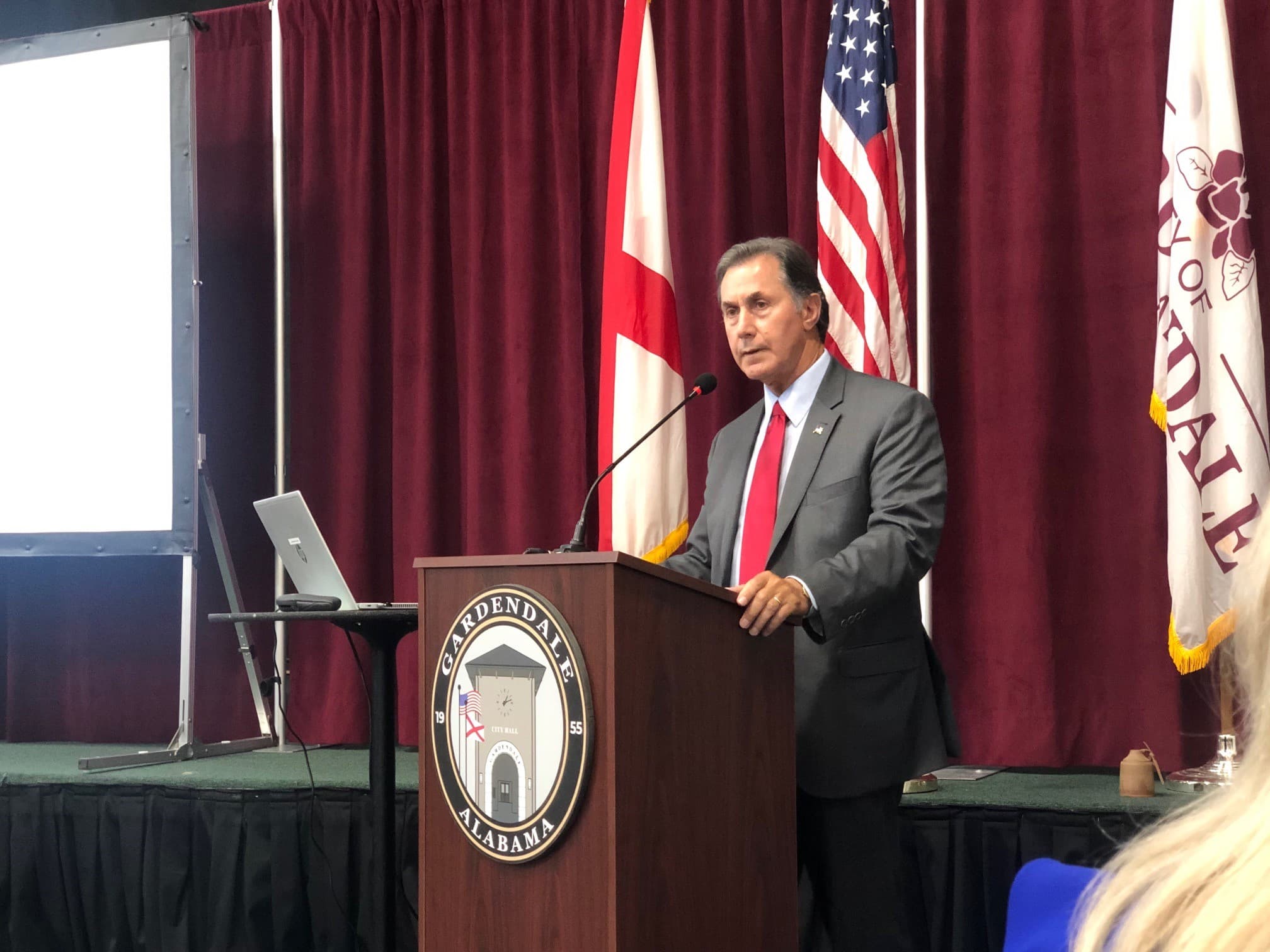
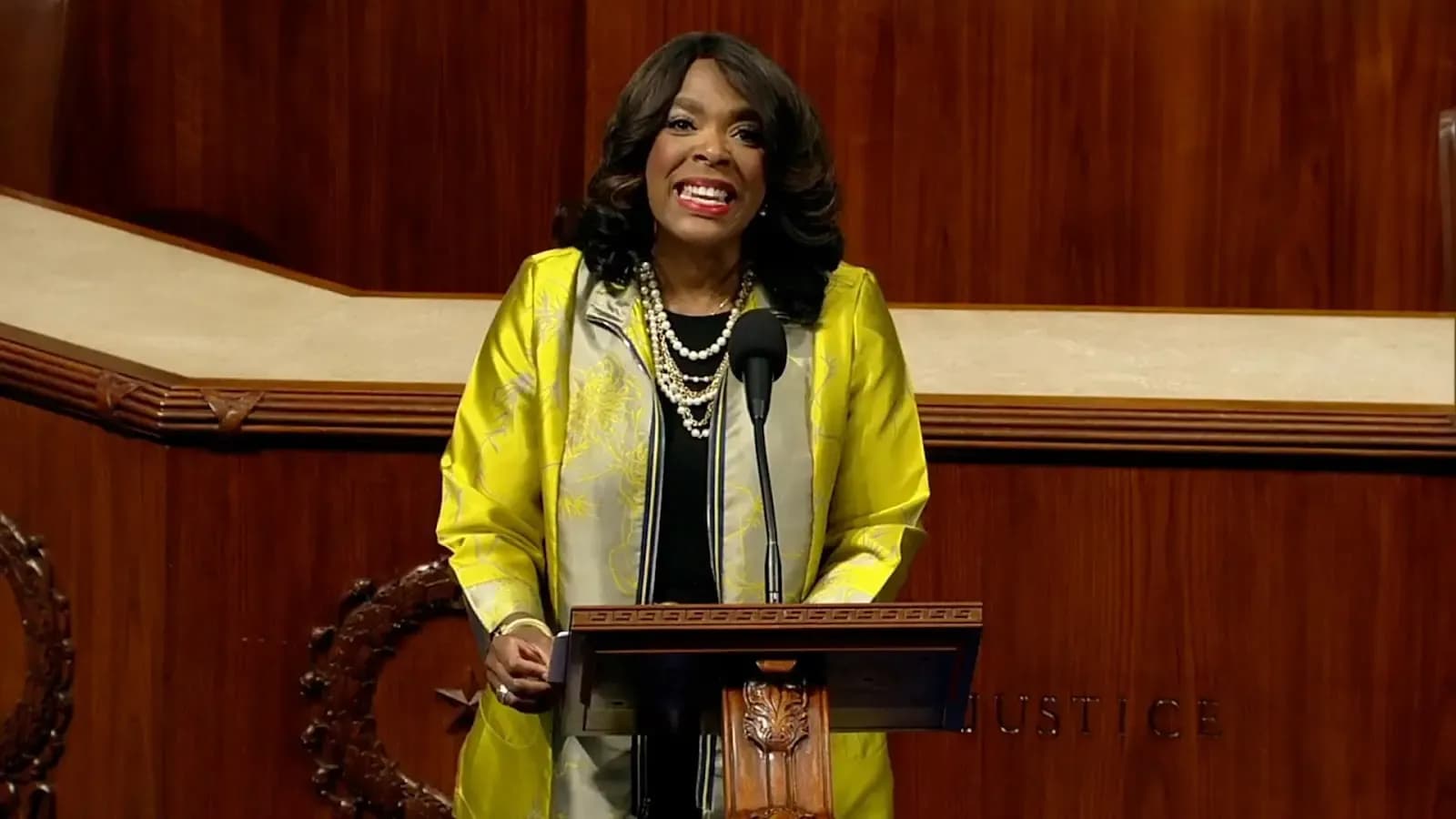
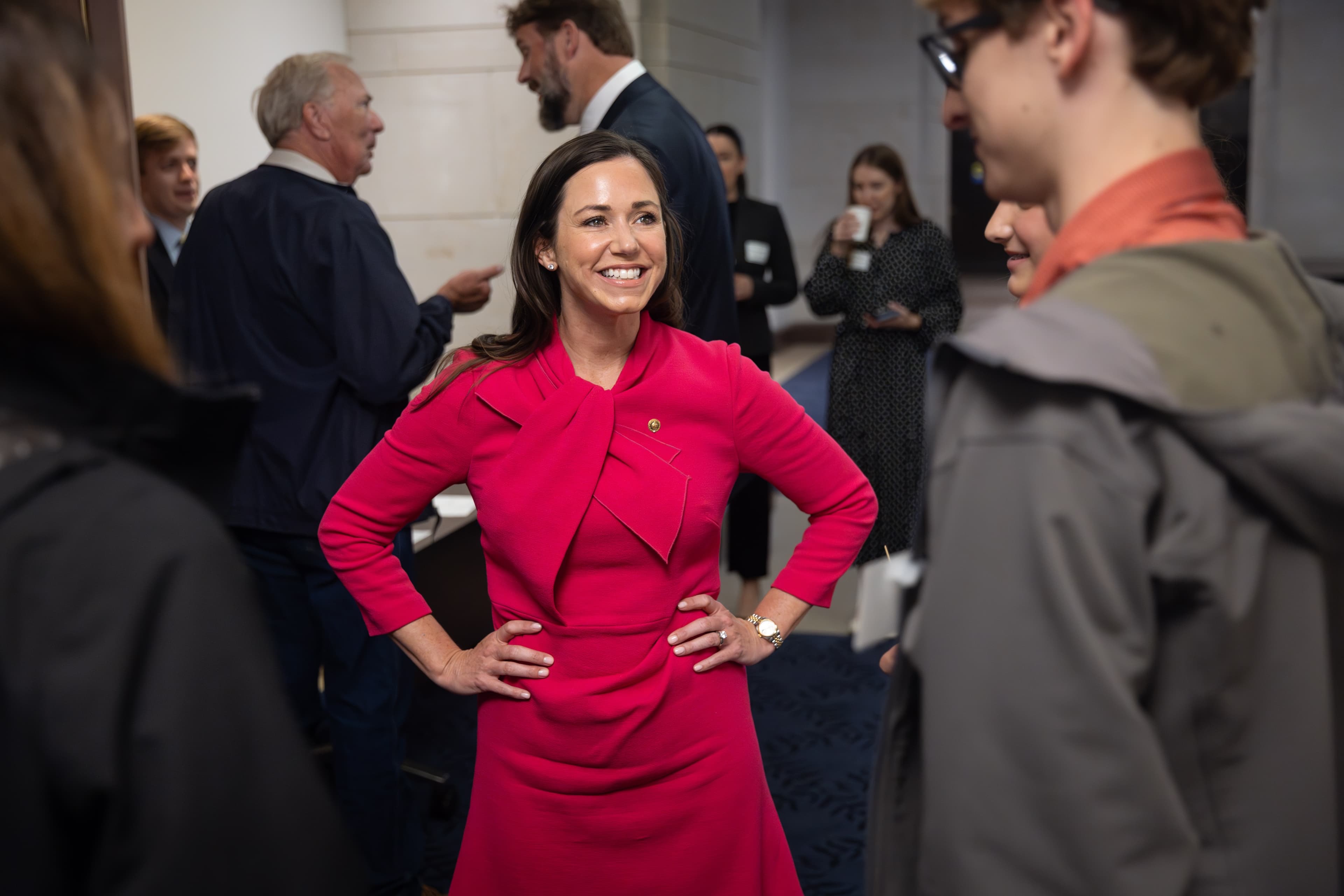
While in D.C., Aguilera met with the offices of U.S. Senator Katie Britt, R-Alabama; U.S. Senator Tommy Tuberville, R-Alabama; U.S. Representative Dale Strong, R-Alabama; U.S. Representative Robert Aderholt, R-Alabama; and U.S. Representative Terri Sewell, D-Alabama.
[caption id="attachment_223898" align="alignright" width="2048"]

ACS CAN Alabama Leadership Summit and Lobby Day Lead Volunteer Zeke Aguilera[/caption]
Advocates who took part in the event urged lawmakers to support continued investment in NIH and its National Cancer Institute. Volunteers requested that Congress provide $51.3 billion to NIH and $7.99 billion to NCI for fiscal 2027.
ACS CAN representatives also focused on garnering support for the bipartisan Clinical Trial Modernization Act, which seeks to reduce economic barriers to clinical trial participation and increase access and participation among underrepresented groups.
The bill would protect trial sponsors from a federal law barring financial compensation for trial participation. The legislation would also facilitate remote participation in clinical trials by allowing trial sponsors to provide patients with digital health technology, allowing patients to participate at no cost.
“These people are paying out of pocket to be a part of these clinical trials. Obviously, the benefit is that they could, you know, be a part of this cure. They could be cured themselves,” Aguilera said. “But the reality is they have to feed their families. They have to pay their bills.”
During an interview following Alabama advocates' trip to D.C., Aguilera said conversations between advocates and lawmakers were “very positive,” describing the meetings as laying the foundation for more lawmaker support for advances in cancer research funding and future support for the Clinical Trial Modernization Act.
“We had some good support,” he said. “No firm commitments or anything like that, but, you know, the work's never done. So, we're going to continue to work with those offices to see if we can get them across the finish line.”
“Like everything in D.C., it's going to take a while. But I think one of the major parts that [lawmakers] were not aware of is that clinical trials are not allowed to essentially provide monetary—either reimbursement or a stipend—to help them be a part of the clinical trial,” Aguilera said.
Aguilera said the bill would establish a stronger support system for patients seeking emerging cancer treatments by allowing financial support for travel expenses. He further emphasized that travel costs are a particularly strenuous financial burden for Alabama patients in rural areas, who would benefit from financial support for participation alongside the bill’s mobile health care provisions.
While expressing doubt that the Clinical Trial Modernization Act will pass during the current 119th Congress, Aguilera described conversations during the trip as laying the groundwork for increased backing for the legislation.
“I think we've got some good foundational work that we accomplished this week, and hope to keep moving it forward, get some cosponsors from the Alabama delegation, and then kind of move it forward, keep pushing it to the next Congress,” he said.
ACS CAN’s annual lobbying event follows significant uncertainty regarding the future of publicly funded cancer research in 2025.
Last year, the White House Office of Management and Budget requested up to a 40 percent reduction in NIH and NCI funding. Congress ultimately rejected the request, with federal lawmakers increasing NIH’s fiscal 2026 budget by $415 million and NCI’s by $128 million.
“The main takeaway is that we are chipping away at this, I guess, stigma of ‘a free check for cancer research,’” Aguilera said. “That's not what we want. We agree that there should be regulations and policies that protect the taxpayer’s money. But [lawmakers are] starting to see that our work is to ensure that it's available for cancer patients.”
ACS CAN highlights that the United States has seen a 34 percent decrease in cancer mortality since its peak in 1991, which the organization attributes in part to federally funded research into new treatments for various cancers.
Alabama received $351,610,092 in total NIH funding for fiscal 2025, supporting 4,048 state jobs. NIH funding also generated $866 million in economic activity in the state in fiscal 2025.