Alabama Libraries face new pressure over transgender book ban
Librarians pushed back after Amy Minton’s catalog searches flagged hundreds of titles, including books not shelved in youth sections.
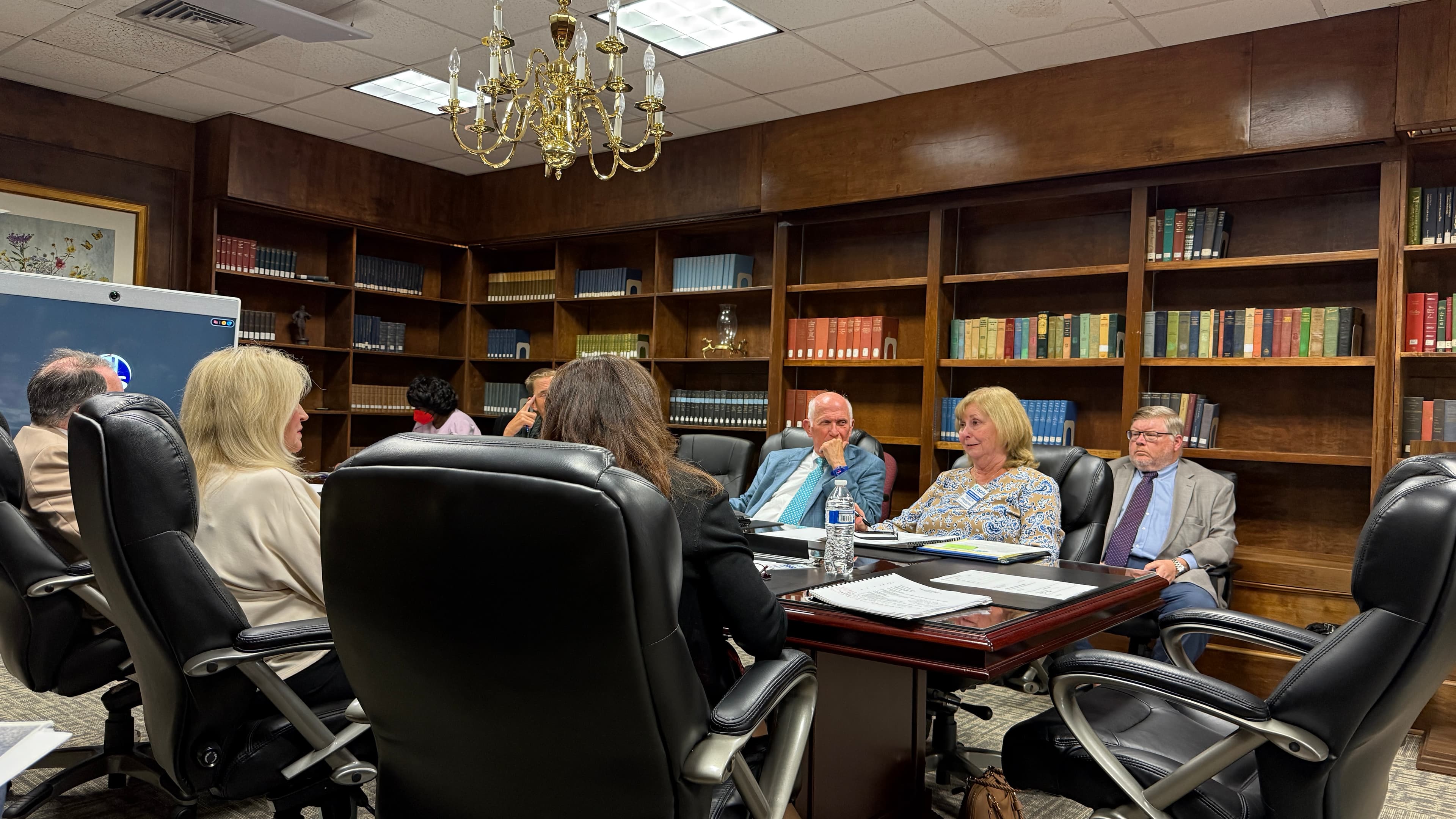
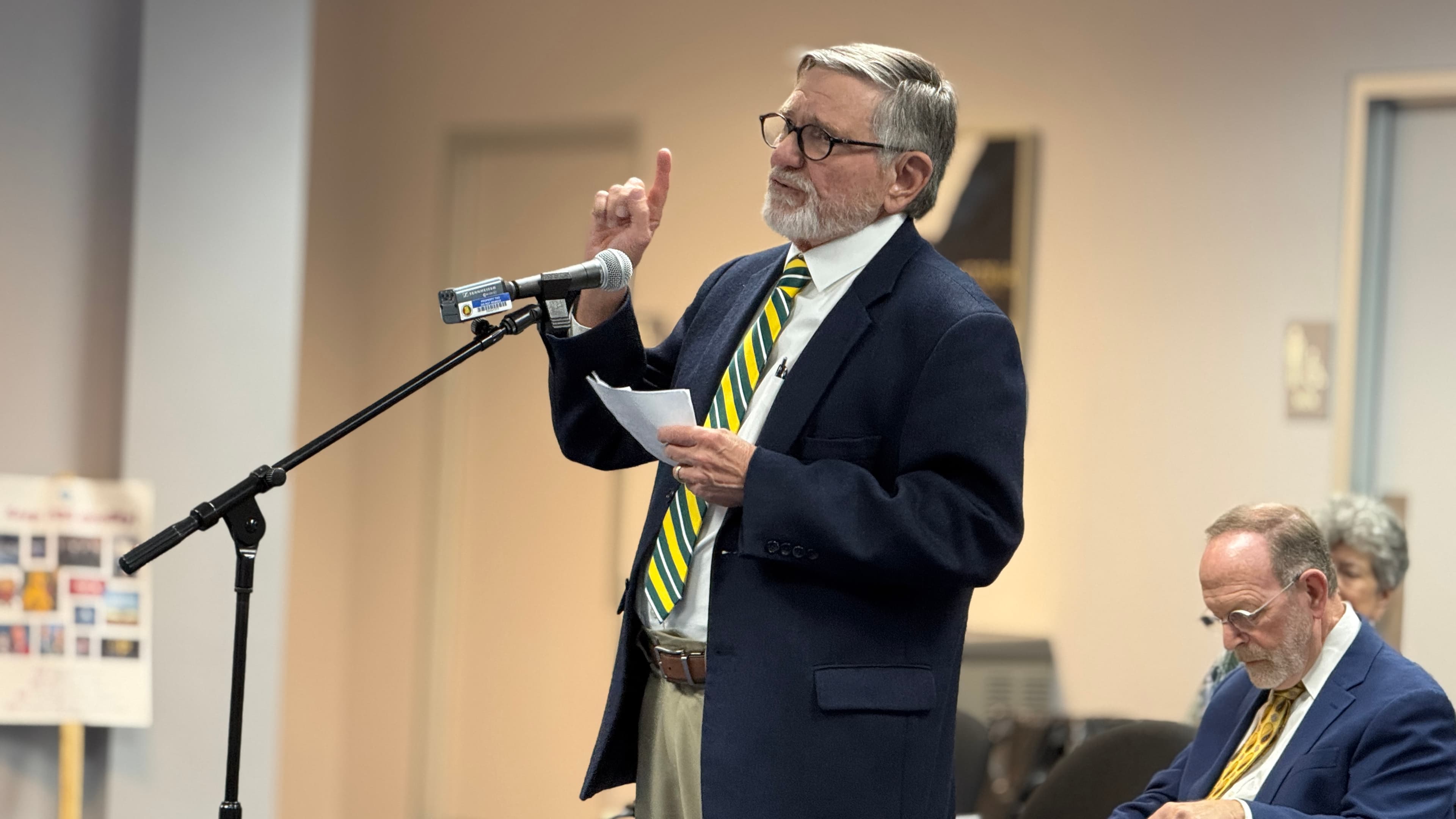
Six people spoke to the Alabama Public Library Service board Thursday, asking it to either hire an assistant director to enforce a ban on transgender books in youth sections or strip funding from libraries that have not complied.
Three of the six speakers came from Prattville and have close ties to Clean Up Alabama, which has pushed to prohibit LGBTQ+ books in children’s and youth sections. The Autauga-Prattville Public Library already has policies banning LGBTQ+ books in sections for minors, although those policies remain the subject of a yearslong lawsuit.
Board member Amy Minton has pushed for the agency to hire a temporary assistant director to identify books that violate the rules at libraries across the state and advise libraries to move the books or lose state funding. After the position remained unfilled at the last meeting, Minton released a list of libraries she said could have books that violate the rules. She based the list primarily on searches of online catalogs using terms such as “gender ideology.” An outlet published an article about Minton’s release.
Many of the nearly 900 results Minton listed were not shelved in youth sections. The list also included books that do not violate the rules, such as Louisa May Alcott’s “Little Women.”
Two librarians addressed the board Thursday, criticizing Minton for bringing negative attention to libraries that either comply with the rules or still have time to do so.
“This article placed library directors and staff in the position of having to defend themselves against allegations that never should have been advanced without careful verification,” Lindsy Gardner, president of the Public Library Directors of Alabama, said. “That a board member elevated these claims is especially troubling.”
Read Freely Alabama released a statement after the meeting opposing the proposed hire.
“The parade of speakers from anti-library activist group Clean Up Alabama parroting Minton’s standard talking points about the need for a new APLS Censorship Czar to ‘help’ libraries comply suggests a coordinated pressure campaign to force this unwanted and unnecessary position on the APLS director and staff,” the group said. “Alabama’s public libraries do not need a Chief Censorship Officer breathing down their necks and poring through their collections for books that feature people and ideas one government agency has deemed ‘inappropriate’—they need an APLS board that will fulfill the agency’s mission to support libraries instead of defaming and harassing them.”
Christine Carr of Pelham called on the board to strip funding from the Pelham Public Library for failing to comply with its new rules. She cited the sex education book “It’s Perfectly Normal” as an example of a book that remains in the youth section. The book violates the board’s rule against “sexually explicit” materials in youth sections, which can apply to any discussion of sexuality or depiction of nudity, including cartoon nudity.
The board has already stripped the Fairhope Public Library of state funding after it refused to move books the agency deemed sexually explicit, a characterization the library’s board disputed. A library could lose state funding if the agency’s board determines it is unwilling to move a “sexually explicit book.”
Board Chairman John Wahl said he would prefer not to strip the Pelham library’s funding yet. Instead, he said, he would contact the library director and City Council to seek compliance.
Two other speakers complained that libraries in Jefferson County had not complied with a more recent code change prohibiting transgender books in youth sections. Libraries have until June 30, 2027, to adopt compliant policies without losing funding.
Nearly 100 libraries already have compliant policies, agency staff said Thursday. Those libraries will receive their first-quarter state funding at the beginning of the new fiscal year on October 1. Libraries that have not yet adopted compliant policies will not receive those funds immediately but will still receive full funding if they comply by the June 30, 2027, deadline.