Jones, Sparks slam Trump administration over tariff-free beef imports
Democrats warn the tariff suspension would squeeze Alabama cattle producers already burdened by rising fertilizer, diesel and equipment costs.
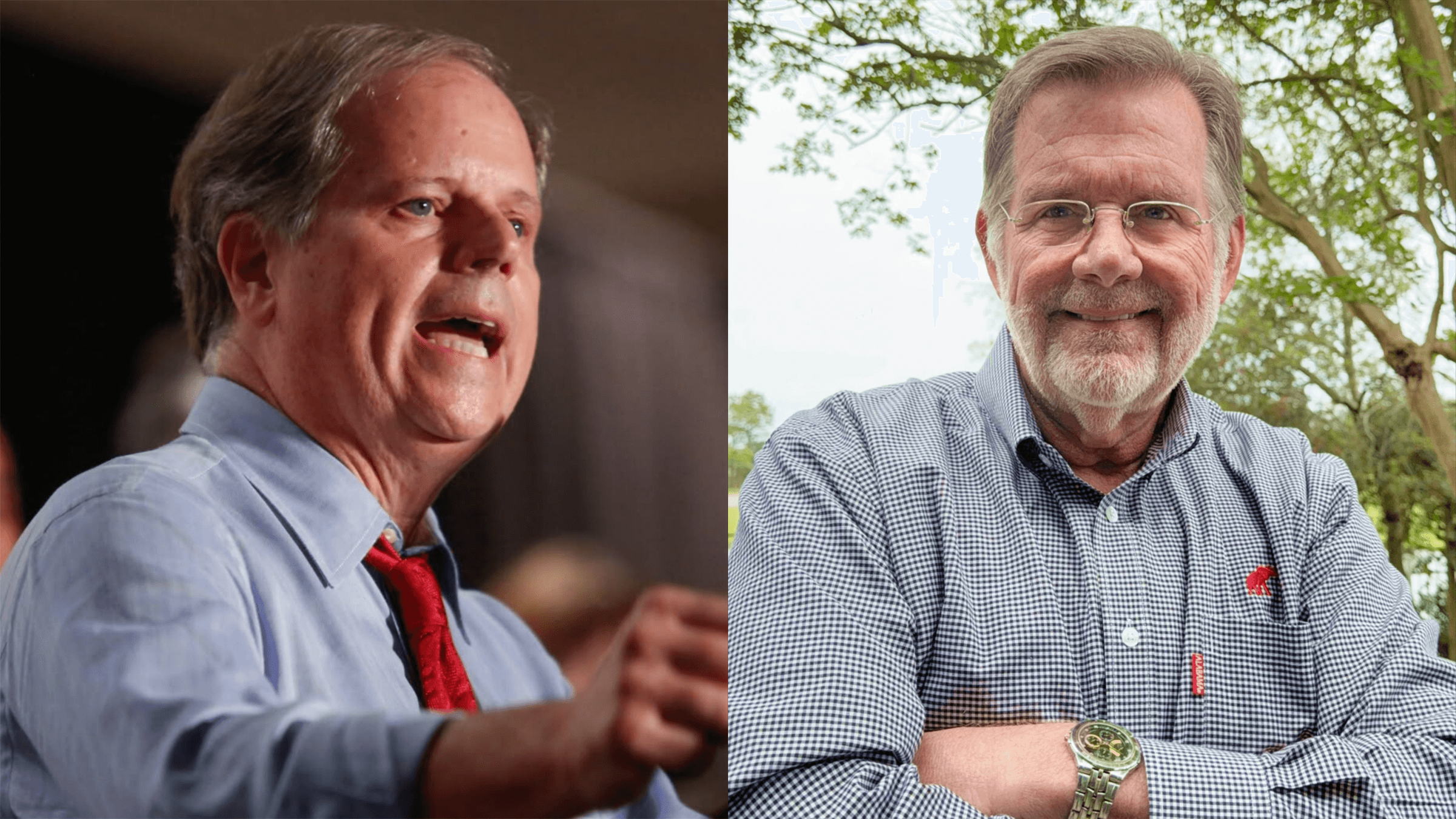
Democrats Doug Jones and Ron Sparks are criticizing the Trump administration's recent decision to suspend tariffs on up to 300,000 metric tons of ground beef imports, arguing that the move will cause further harm to Alabama's cattle industry, which is already suffering from high fertilizer costs precipitated by the Iran War.
“Donald Trump promised to bring prices down. Instead, he’s trying to do it on the backs of American and Alabama farmers,” Jones said in a recent statement. “Alabama cattlemen are already getting crushed by the cost of fertilizer, diesel, equipment and everything else it takes to stay in business. Flooding the market with tariff-free foreign beef isn’t a serious plan to lower costs. It’s another Washington decision that leaves Alabama farmers holding the bag.”
“How much more can our farmers take?” Sparks added. “Fertilizer costs more. Diesel costs more. Equipment costs more. Farmers are getting squeezed from every direction, and now Washington wants them competing against hundreds of thousands of metric tons of tariff-free foreign beef. We are losing farmers in Alabama, and every time we lose one, we lose a piece of our economy, our communities and our way of life.”
Sparks, the Democratic nominee for agriculture commissioner, argued that Alabama needs to take matters into its own hands and use state policy to support local farmers. His proposals include eliminating Alabama's 1.5 percent sales tax on farm equipment and creating an “agricultural enhancement program” to help increase investment and strengthen the state's cattle herd.
“I’m running because complaining about the problem isn’t enough,” Sparks said. “We can put millions of dollars back into farmers’ pockets. We can help producers buy equipment, strengthen their operations and rebuild Alabama’s cattle herd. I don’t want to lose another Alabama farmer because the people in charge decided doing nothing was good enough.”
Jones indicated that he would back Sparks' proposals if elected Alabama's next governor.
“Farm policy isn’t an abstraction when your livelihood depends on it,” Jones said. “Ron understands that. I understand that. Alabama farmers deserve leaders who will fight just as hard for them as they fight every day to keep their farms alive. When Ron and I are elected, Alabama agriculture will have two people in Montgomery who understand whose side they’re on—and we’re going to be on the side of Alabama farmers.”
This is not the first time the Trump administration has faced backlash related to beef imports. Last October, the Alabama Cattlemen's Association criticized the president's plan to increase low-tariff imports of Argentinian beef, arguing that the move undermined the livelihoods of American farmers in favor of lowering prices.
Now, the administration is facing criticism from both sides of the political aisle, as Democratic and Republican lawmakers warn that an influx of foreign beef imports will harm livestock industries in red and blue states alike.