Doug Jones urges cost-sharing delay to protect Alabama SNAP benefits
The Democratic gubernatorial nominee warns Alabama could face a $174 million burden as food banks also press senators to delay shifting costs to states.

Democratic gubernatorial nominee Doug Jones vowed over the weekend to protect Supplemental Nutrition Assistance Program benefits, urging federal lawmakers to delay upcoming cost-sharing requirements that could shift a portion of the program's costs to states.
Roughly one in eight Alabamians, or about 648,000 people, receive SNAP benefits each month.
Under SNAP reforms enacted in the One Big Beautiful Bill Act last year, states will begin covering a portion of the federally funded program's costs if their SNAP payment error rates exceed 6 percent.
Alabama's 2025 payment error rate was 9.5 percent, below the national average of 10.6 percent. However, if the state fails to reduce its rate to the law's benchmark by next October, Alabama could be responsible for approximately $174 million in annual costs.
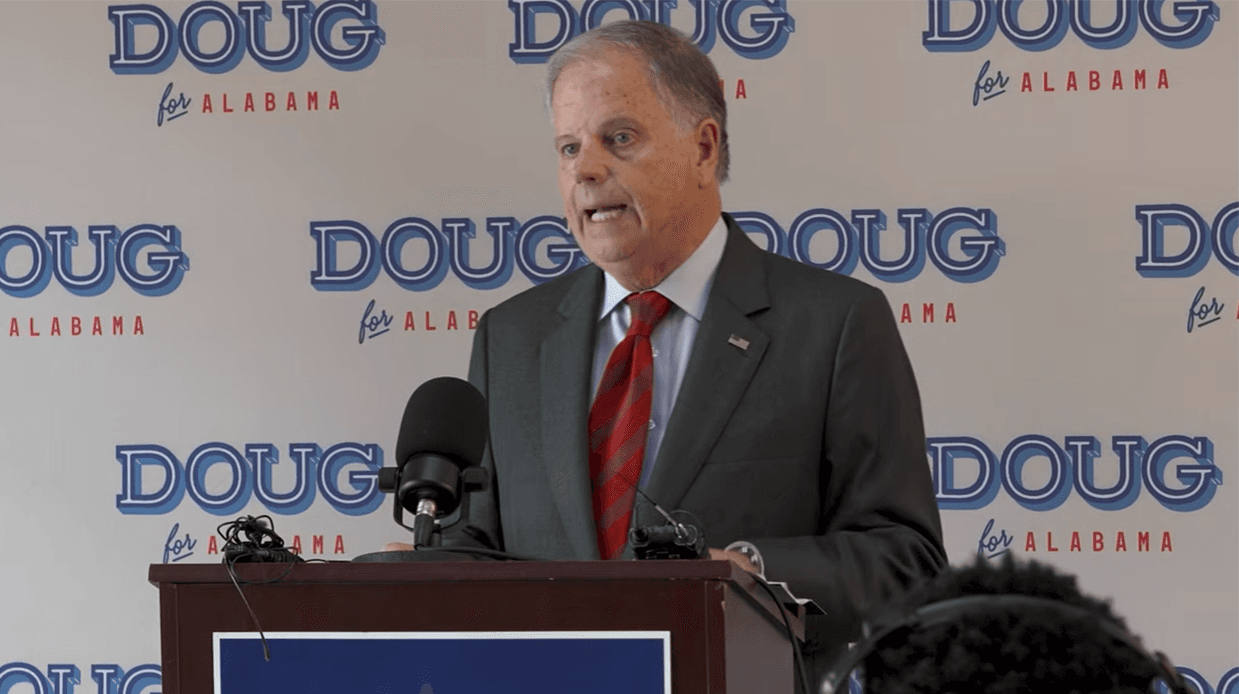
During a Sunday livestream, Jones called for action to delay next year's cost-sharing deadline, which he argued could be a “disaster” for SNAP's future in Alabama.
Jones urged Alabamians to contact their elected representatives and ask them to delay the deadline so state officials have more time to reduce Alabama's payment error rate and avoid additional state spending. Jones said he believes Alabama can reach the 6 percent threshold with more time.
“We are on a cliff when it comes to hunger in this state,” Jones said. “And we got to do something about it, because let me tell you, that’s your friends and your neighbors.”
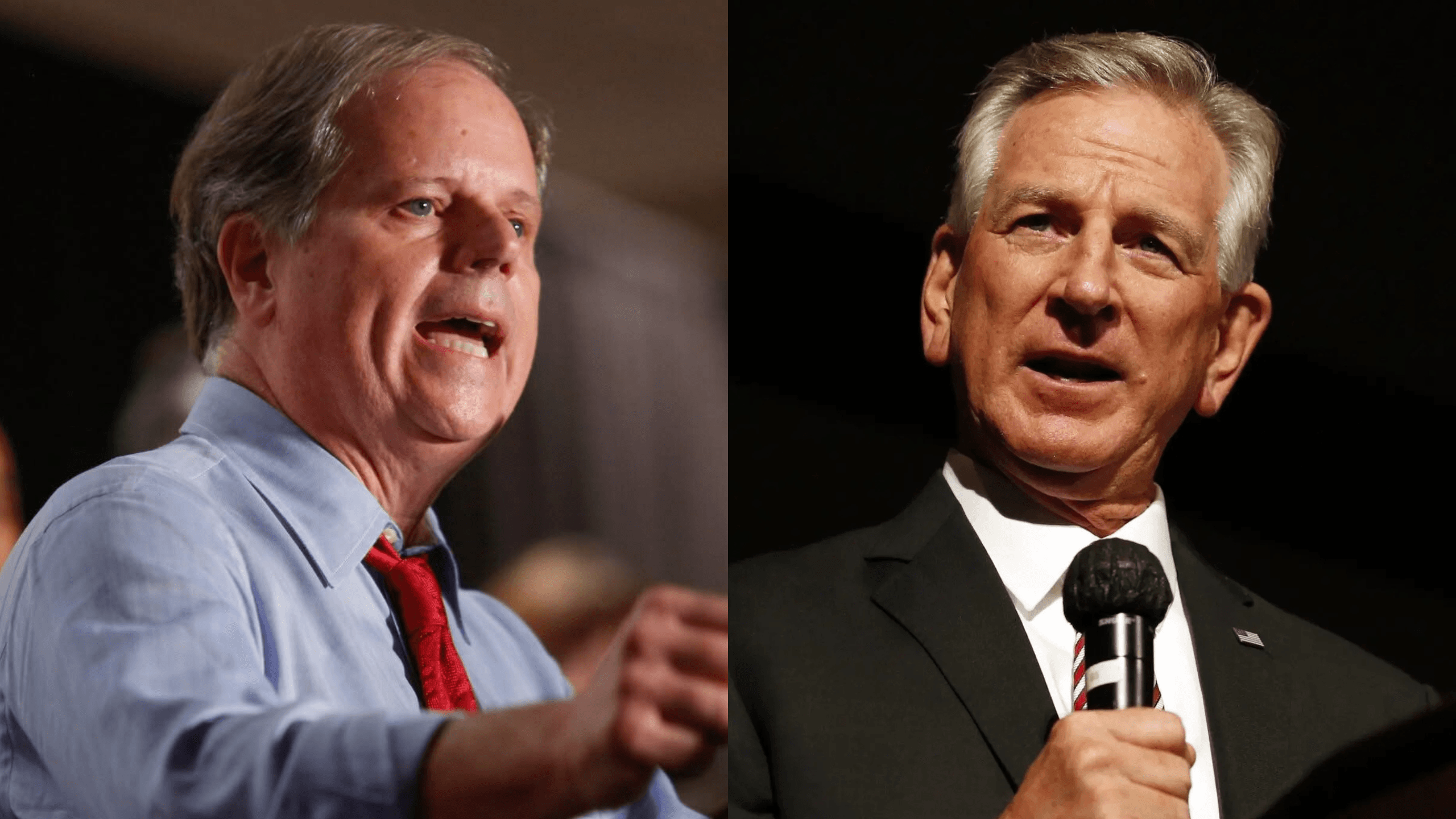
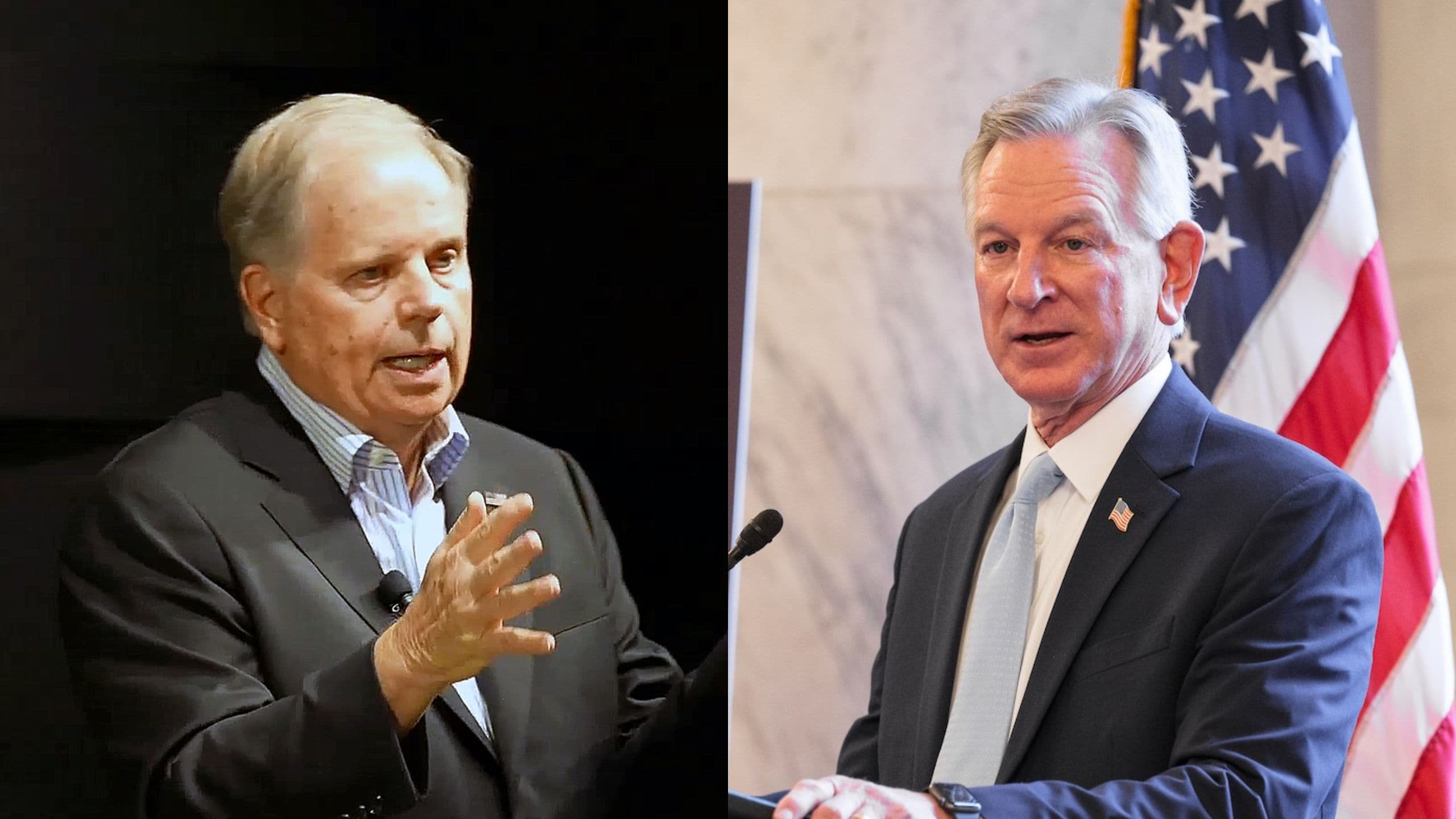
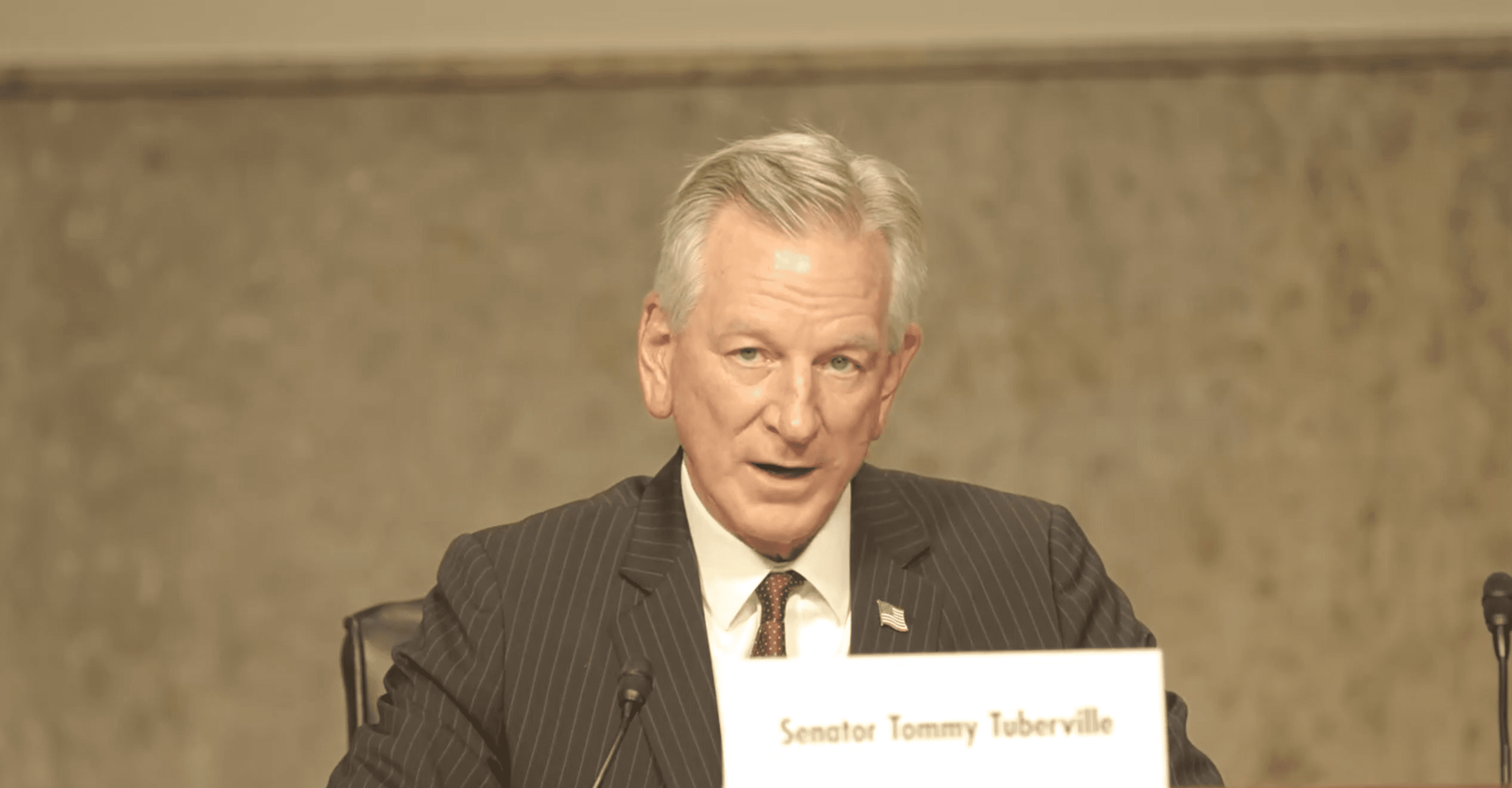
Jones' campaign also highlighted comments from Republican gubernatorial nominee and U.S. Senator Tommy Tuberville, R-Alabama, who has said SNAP's payment error rates show the program is “overrun with fraud.” Tuberville has also said some SNAP recipients need to “get off their butts and go back to work.”
Jones criticized Congress for failing to reach an agreement to delay the cost-sharing requirements before lawmakers left Washington for their August recess.
“They’re not talking about it,” Jones said of federal lawmakers. “You don’t hear Tuberville talking about it. The legislature went out of session. They knew it’s coming.”
“We are going to do everything we can in the Doug Jones administration to make sure we get those federal dollars to help people,” Jones said. “And we’re going to enact policies that are going to lift people out of poverty.”
Jones' campaign noted that SNAP payment error rates include both overpayments and underpayments. He called on Tuberville, who sits on the Senate Agriculture Committee, to support efforts to give states more time to reduce their error rates.
Alabama officials, as well as Jones, have raised concerns that the upcoming SNAP cost-sharing requirements could threaten the program's future in the state.
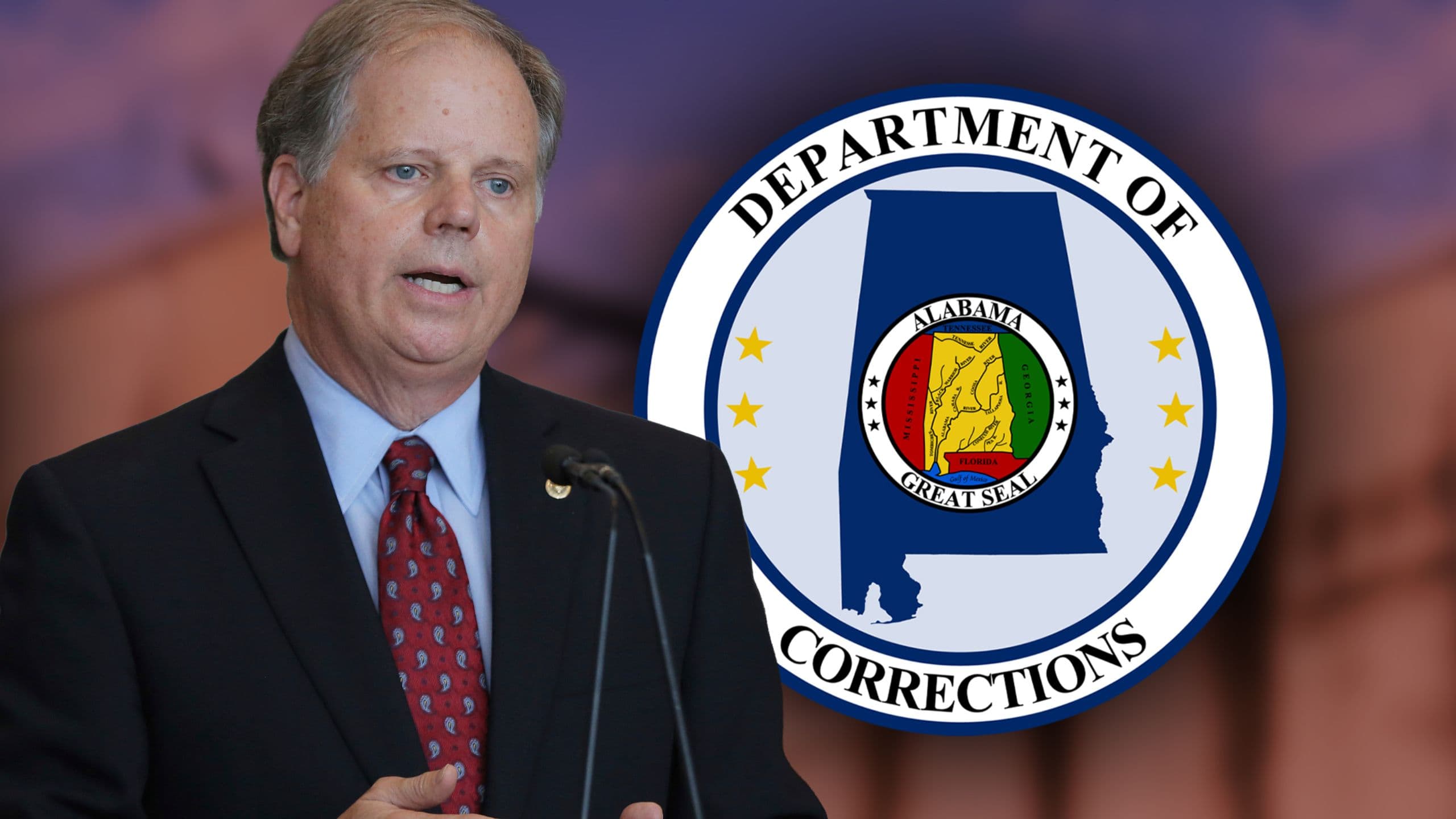
The projected $174 million cost-sharing burden exceeds the 2026 budget of the Alabama Department of Human Resources, which administers SNAP in the state, by more than $20 million.
During a January budget presentation to Alabama legislators, Legislative Services Agency Deputy Director Kirk Fulford warned that the state does not have enough money to cover the potential funding shortfall.
Alabama food bank leaders last week called on Tuberville and U.S. Senator Katie Britt, R-Alabama, to support a two-year waiver that would delay the state's cost-sharing requirements until 2029.
States with payment error rates of 13.3 percent or higher will receive a longer grace period, with cost-sharing requirements delayed until 2029. Jones described that provision as “ass backwards.”
“[Alabama’s] error rate is not fraud, it’s not mismanagement, it’s just clerical errors,” Jones said. “Administrative errors—it’s a tough program to administer.”
“We’ve gotten penalized for being better,” Jones added. “People need to call Senator Britt, Senator Tuberville, and every member of the delegation in Congress to say, ‘Do something to give Alabama a breather so they can get that error rate down.’”