Sen. Stutts backed bid to overturn in-law’s child sex abuse conviction
The ruling vacated Thomas Vernor’s guilty plea and 12-year sentence, returning all three child sex abuse charges to trial.
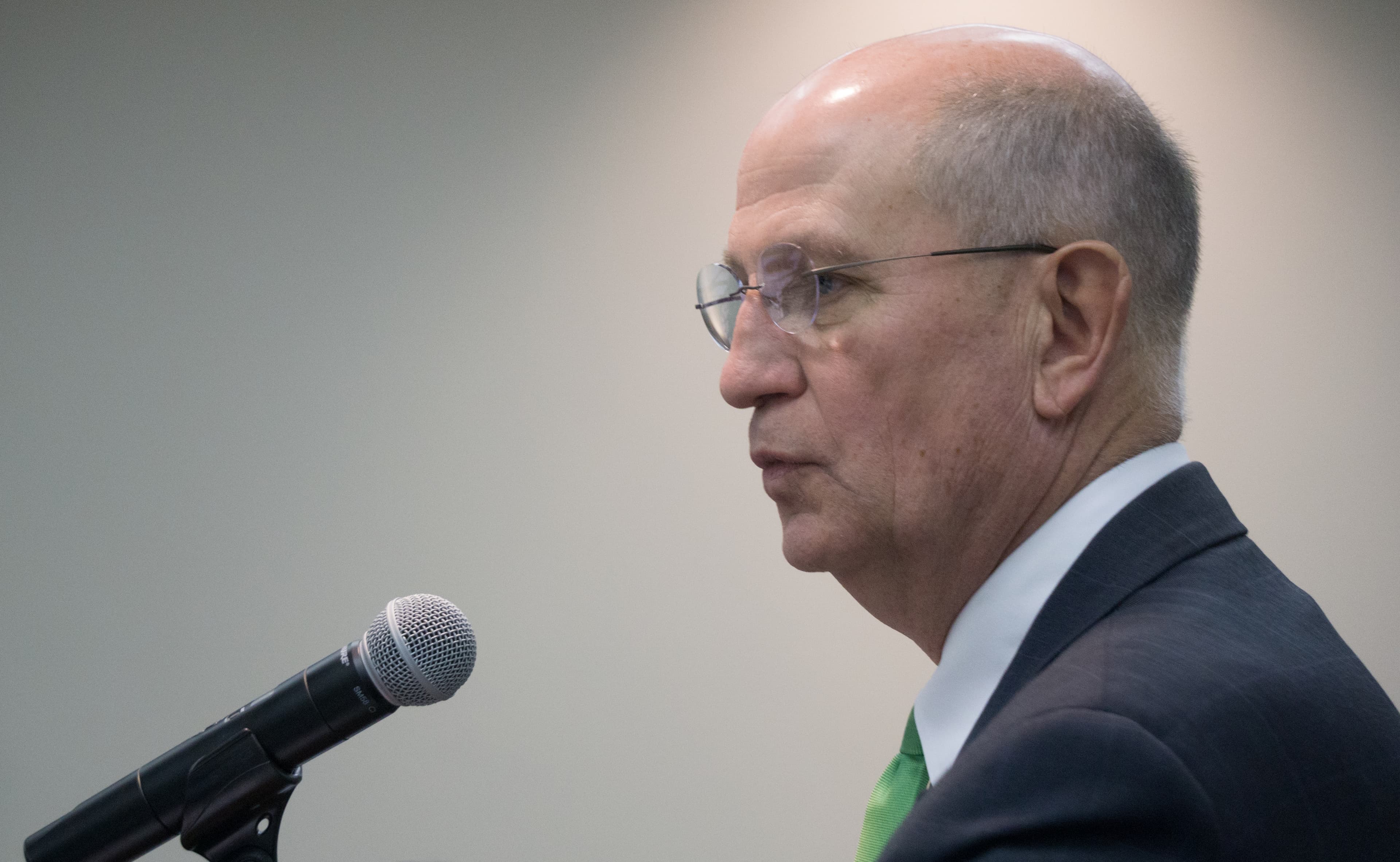
A man convicted of sexually abusing one of his grandchildren under the age of 12 is now free, thanks in part to help from his brother-in-law, state Senator Larry Stutts.
Thomas Alvin Vernor III pleaded guilty on February 29, 2024, to one count of sexual abuse of a child under 12 and received a 12-year prison sentence. As part of the plea agreement, the state dropped two other counts of sexual abuse of a child under 12 involving two additional victims.
Two years later, Vernor is—at least for now—a free man following a successful Rule 32 petition that Stutts, R-Tuscumbia, supported. A Rule 32 petition is a form of post-conviction relief that can include a claim of ineffective assistance of counsel, but the rule places a stringent burden of proof on the petitioner.
Vernor will now face trial on all three sexual abuse charges.
In an affidavit supporting the petition, Stutts said Vernor had always maintained his innocence and pleaded guilty only because he believed he could receive probation.
“Tom fully believed, as of the night before his sentencing hearing, that he might walk out of his sentencing hearing with a probation sentence and nothing more,” Stutts said in the affidavit.
The state challenged the petition, noting that Vernor signed a plea agreement with the sentencing range for his blind plea circled: two to 20 years for a Class B felony. The mandatory minimum for sexual abuse of a child under 12 is 10 years, which the state argued the court explicitly stated during Vernor’s plea hearing.
According to the state, Vernor also admitted to the underlying charge at his sentencing hearing, stating, “I touched inappropriately (the victim). I am guilty because of that.”
Circuit Judge Ronald Smith ruled, however, that both the judge in the original case and Vernor’s attorney failed at multiple points to ensure Vernor understood the minimum sentence. Those failures included leaving unchecked a box on the plea agreement form identifying the enhanced mandatory minimum for sexual abuse of a child under 12.
“The Petitioner's guilty plea was not knowingly, voluntarily, and intelligently entered because he was incorrectly informed of the applicable sentencing range and consequences of the plea,” Smith wrote. “The record shows clearly that the Petitioner was advised that the range was simply two to twenty years, when the actual range was ten to twenty years with no possibility of probation or parole.”
A civil lawsuit the victim filed against Vernor alleges that he “held (the victim) in his lap (and) did sexually molest, touch, and abuse minor Plaintiff,” “penetrated (the victim) with his fingers” and “instructed the minor Plaintiff not to tell anyone of his sexual molestation of her.”
Sources told APR in February that Stutts also attempted to have Vernor’s wife, Kathryn Vernor, appointed to Alabama’s three-person parole board before the court approved the Rule 32 petition on July 22.
Responding to an APR inquiry, Stutts said he had “no involvement” in the case. He did not answer a direct question asking whether he had suggested Kathryn Vernor for the parole board.