Poll: Young Alabama voters feel squeezed, but remain motivated to vote
Young Alabama voters report financial strain and political frustration, but most say they remain motivated to vote in November’s midterms.

Young registered voters in Alabama are struggling to pay their bills and are dissatisfied with the country’s direction, but most say they remain motivated to vote in November, according to a survey released Wednesday.
The poll, conducted by HIT Strategies for Unite for Reproductive & Gender Equity, found that 80 percent of Alabama respondents were dissatisfied with the direction of the country. Thirty-five percent said they were struggling to pay bills, while another 48 percent reported making only enough to cover them.
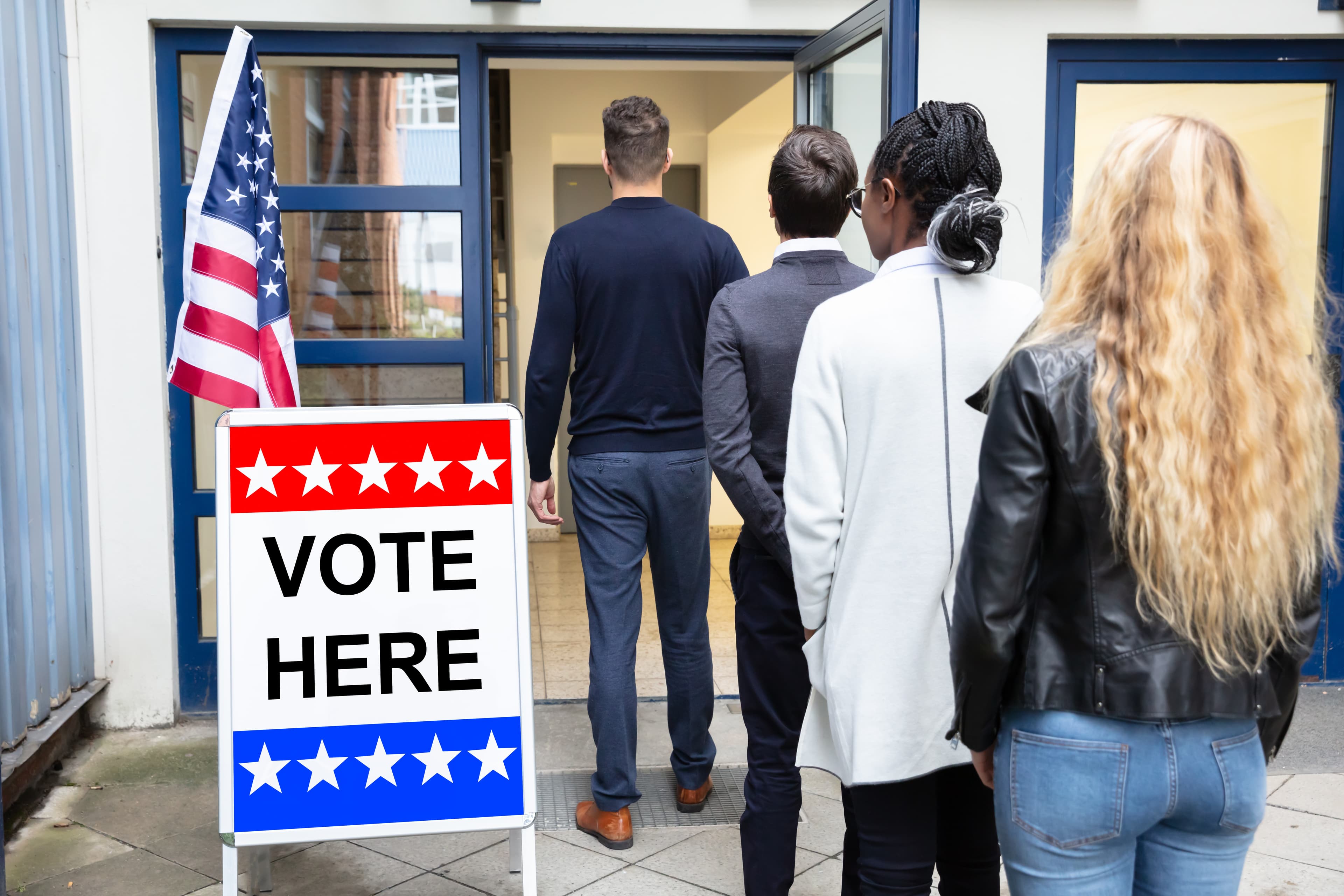
Yet 79 percent said they were motivated to vote in the 2026 midterm elections, suggesting that frustration with economic conditions and the political system has not necessarily translated into disengagement.
The findings come from interviews with 418 registered Alabama voters ages 18 to 29 conducted June 24 through July 9. URGE, the nonprofit that commissioned the research, advocates for reproductive and gender equity.
Housing costs were a particularly pressing concern. Nearly all respondents expressed concern about housing, including 78 percent who reported a lot of concern. Ninety-three percent expressed concern about affording basic needs, and 89 percent expressed concern about health care affordability and accessibility, including mental health care.
Just 16 percent said they earned enough to pay their bills and save money, according to the Alabama polling memo.
The economic findings align with separate national research showing that everyday expenses weigh heavily on young adults.
Tufts University’s Center for Information & Research on Civic Learning and Engagement, known as CIRCLE, found that nearly 60 percent of adults ages 18 to 29 sometimes or often struggled to meet their basic financial needs. Housing and utilities, groceries and health care were among their leading economic concerns.
That study surveyed 5,549 young adults nationally in partnership with When We All Vote. Although its questions and population differ from the Alabama survey, both identify affordability as a central concern for young people.
The Alabama respondents also expressed skepticism about whose interests government serves. Nine in 10 reported concern about the power of billionaires, and 44 percent said corporate and ultrawealthy influence in politics made them less motivated to vote.
CIRCLE found a similar sentiment nationally: 48 percent of young adults said they would participate more in politics if corporations and money had less influence on politicians.
“Young Alabamians may feel anxious, frustrated, and angry, but they aren’t disengaged,” Courtney Roark, URGE’s southeastern states movement building and policy director, said.
Economic concerns existed alongside substantial concern about rights and government actions. Eighty-three percent of Alabama respondents expressed concern about Immigration and Customs Enforcement tactics, and 81 percent expressed concern about discrimination against immigrants.
Roughly four in five expressed concern about abortion restrictions and the loss of diversity, equity and inclusion programs. About three-quarters expressed concern about discrimination against transgender people.
Those responses indicate concern about the issues presented but do not establish which candidates respondents support or which issues will ultimately determine their votes.
The survey also found that 93 percent said they were likely to vote, while 51 percent believed their generation had significant power to make change.
Voting intentions, however, are not a turnout forecast. CIRCLE cautions that self-reported intentions generally exceed actual participation. Its research also finds that financial hardship can make young people less likely to vote, underscoring the challenge of turning interest into ballots.
URGE said its Alabama outreach includes plans to knock on 100,000 doors in the Birmingham area, campus advertising and student-led voter education.
The Alabama polling memo reports interviews conducted by phone, text-to-web and online panel, with a stated margin of error of plus or minus 4.95 percentage points. The national methodology describes an opt-in online panel and weighting using voter-file and census data. Because opt-in samples depend on participation and statistical adjustments, the reported margin does not account for every potential source of error. The American Association for Public Opinion Research’s disclosure standards require measures of precision for nonprobability surveys to be accompanied by explanations of their underlying models and assumptions.